Showing posts with label critique groups. Show all posts

Friday, January 27

For the uninitiated, a beta reader is to an author what a beta tester is to an inventor or a manufacturer's research and development division--someone who takes your product for a trial run, then reports about its strengths and weaknesses. It's a necessary step after you've completed a novel, and then fixed as much as you can; other eyes can pinpoint remaining weaknesses and shore up your sagging confidence about the manuscript's strengths.

The reason many authors end up disappointed, misled, or even crushed by critiques they receive is they fail to give beta readers clear instructions about what they actually need to know. And without a clear sense of what you need to know, readers will often go to one of two extremes: cheerleading or nitpicking, that is, giving only positive or only negative feedback.

Well, writer friends, the truth is you need BOTH. If others tell you everything is perfect, you'll stop listening to your own intuition and ignore niggling issues you haven't yet figured out how to fix. If others tell you they see problems, problems, problems, you'll end up in a slash and burn mentality when revising and destroy the best parts of your story.

The solution is actually quite simple: Always give your beta readers clear guidance about what kinds of feedback you want. And conversely, if someone asks you beta read, don't be shy about asking them to provide some guidelines.

Clearly, what constitutes "constructive criticism" can depend very much on individual temperament, past history, and self concept. You alone know what sorts of feedback will energize or crush you. For example, I appreciate readers who find my typos and missing words, while others will unnecessarily beat themselves up for very simple, easy to fix errors. (You spend years editing people with PhDs, and you realize even frighteningly smart people at the world's top universities have typos and dangling modifiers. Nothing to freak out about; fix it and move along.)

With that caveat, I share below some sample beta reader guidelines that you're welcome to use, or adapt to your own particular feedback needs.

Sample beta reader guideline letter


Thank you for your willingness to read and offer comments on my manuscript. As you read, please respond to the following questions and mark any areas you think I should give more attention. Feel free to e-mail comments as you go if that’s easier. I’d like to receive everyone’s comments by [deadline].

Overall impressions

What parts of the story did you enjoy most? Feel free to mark scenes that you feel are especially strong.

Does the story feel balanced--giving adequate time to the right things? Are there parts you feel need more or less emphasis?

Can you tell who the intended audience is? Why or why not?

Are there any elements that I've completely overlooked you think I need to consider or incorporate?

Character

Are the characters engaging and adequately complex? Do you care about them and enjoy getting to know them deeply, even the antagonists?

Which characters do you most connect with and why?

Are characters’ voices distinct in the dialogue? If not, note where you hear problems.

Do the peripheral characters work in supporting the main story without being overly distracting? Do any feel underdeveloped or overdeveloped relative to their importance to the story? Which ones do you feel need more or less emphasis?

Does the main character adequately change through conflict, climax and resolution?

Plot 

Does the story move forward and keep you reading more? Note where your interest is especially engaged and where it lags.

Does the plot hang together and make sense? Do you see any "plot holes"--illogical or impossible events, as well as statements or events that contradict earlier events in the storyline?

Do the plot twists and complications work, or do they seem contrived or hokey?

Do characters appear to have sufficient motivation for what they do? If not, note where you “just don’t buy it.”

Are scenes paced well in terms of building and releasing tension? If not, note places where the story drags or races.

Theme

Can you identify the theme?

Does it come across in a non-preachy way? Note anything that strikes you as heavy-handed.

Mechanics

Note word choices that don’t quite seem right in terms of tone within a scene, or because a particular character just wouldn’t use that word.

Please note any spelling errors, homophone errors (using the wrong sound-alike word), grammar gaffes, punctuation funkiness, and missing words.

Note any continuity errors you see (e.g. wearing a coat in part of the scene and not having it later in the same scene).

----

If there are particular parts of your story that you feel less confident about-- perhaps that bend genre or are a bit experimental for you--make sure you ask specifically for feedback on those elements.

What questions would you add to your own list?
Friday, January 27, 2017 Laurel Garver
For the uninitiated, a beta reader is to an author what a beta tester is to an inventor or a manufacturer's research and development division--someone who takes your product for a trial run, then reports about its strengths and weaknesses. It's a necessary step after you've completed a novel, and then fixed as much as you can; other eyes can pinpoint remaining weaknesses and shore up your sagging confidence about the manuscript's strengths.

The reason many authors end up disappointed, misled, or even crushed by critiques they receive is they fail to give beta readers clear instructions about what they actually need to know. And without a clear sense of what you need to know, readers will often go to one of two extremes: cheerleading or nitpicking, that is, giving only positive or only negative feedback.

Well, writer friends, the truth is you need BOTH. If others tell you everything is perfect, you'll stop listening to your own intuition and ignore niggling issues you haven't yet figured out how to fix. If others tell you they see problems, problems, problems, you'll end up in a slash and burn mentality when revising and destroy the best parts of your story.

The solution is actually quite simple: Always give your beta readers clear guidance about what kinds of feedback you want. And conversely, if someone asks you beta read, don't be shy about asking them to provide some guidelines.

Clearly, what constitutes "constructive criticism" can depend very much on individual temperament, past history, and self concept. You alone know what sorts of feedback will energize or crush you. For example, I appreciate readers who find my typos and missing words, while others will unnecessarily beat themselves up for very simple, easy to fix errors. (You spend years editing people with PhDs, and you realize even frighteningly smart people at the world's top universities have typos and dangling modifiers. Nothing to freak out about; fix it and move along.)

With that caveat, I share below some sample beta reader guidelines that you're welcome to use, or adapt to your own particular feedback needs.

Sample beta reader guideline letter


Thank you for your willingness to read and offer comments on my manuscript. As you read, please respond to the following questions and mark any areas you think I should give more attention. Feel free to e-mail comments as you go if that’s easier. I’d like to receive everyone’s comments by [deadline].

Overall impressions

What parts of the story did you enjoy most? Feel free to mark scenes that you feel are especially strong.

Does the story feel balanced--giving adequate time to the right things? Are there parts you feel need more or less emphasis?

Can you tell who the intended audience is? Why or why not?

Are there any elements that I've completely overlooked you think I need to consider or incorporate?

Character

Are the characters engaging and adequately complex? Do you care about them and enjoy getting to know them deeply, even the antagonists?

Which characters do you most connect with and why?

Are characters’ voices distinct in the dialogue? If not, note where you hear problems.

Do the peripheral characters work in supporting the main story without being overly distracting? Do any feel underdeveloped or overdeveloped relative to their importance to the story? Which ones do you feel need more or less emphasis?

Does the main character adequately change through conflict, climax and resolution?

Plot 

Does the story move forward and keep you reading more? Note where your interest is especially engaged and where it lags.

Does the plot hang together and make sense? Do you see any "plot holes"--illogical or impossible events, as well as statements or events that contradict earlier events in the storyline?

Do the plot twists and complications work, or do they seem contrived or hokey?

Do characters appear to have sufficient motivation for what they do? If not, note where you “just don’t buy it.”

Are scenes paced well in terms of building and releasing tension? If not, note places where the story drags or races.

Theme

Can you identify the theme?

Does it come across in a non-preachy way? Note anything that strikes you as heavy-handed.

Mechanics

Note word choices that don’t quite seem right in terms of tone within a scene, or because a particular character just wouldn’t use that word.

Please note any spelling errors, homophone errors (using the wrong sound-alike word), grammar gaffes, punctuation funkiness, and missing words.

Note any continuity errors you see (e.g. wearing a coat in part of the scene and not having it later in the same scene).

----

If there are particular parts of your story that you feel less confident about-- perhaps that bend genre or are a bit experimental for you--make sure you ask specifically for feedback on those elements.

What questions would you add to your own list?
Wednesday, January 27

Dear Editor-on-call,
Photo credit: Sgarton from www.morguefile.com

How do we figure out where the line is between a stylized voice/dialect vs. proper grammar? I know this is a hugely "case-by-case" basis, but I often find the pieces I write with a bit of a dialect or style get corrected by critiquers for grammar, effectively changing how the character would think.

Sincerely,
Dialectable Dilemma


Dear Di,

I suspect the subtext of your question is this: "What do you do when your critiquers are so zealous in their campaign to promote 'good writing' that they suck all the voice out of your work?"

Let's face it, reading is a subjective thing. Some people like to experience cultures beyond their own, to meet people very unlike themselves--and others don't. Any literary device you choose to use will have its fans and its detractors.

As I see it, you have a few options in this scenario.

A. You keep changing your book trying to please everyone until you hate it so much you shelve it.

Can we say neurotic need for affirmation? Nothing will make you quit writing faster than trying to be everything to everyone.

B. You ignore everything the grammar zealots say, because they obviously don't get you.

Of course, they very well might have good insights into non-dialect sections. Do you really want to lose that too?

C. You ask only those who get what you're trying to do to read and critique.

Here, you run the danger of stagnating, because these friendly folks won't push you to change and grow.

D. You provide requests for specific feedback when asking anyone to critique:
"This story contains dialect. Please highlight spots that you think aren't quite reading smoothly."

If you're getting a lot of advice that feels useless, consider how you can be more explicit about what would be useful. Every reader goes into some default mode when they aren't given instruction. For some, the default is "find a dozen nice things to say." For others, the default is "find every instance of nonstandard usage and sloppy grammar."


You can probably guess which option I favor (D, of course!). While it's a good idea to periodically reassess how healthy or dysfunctional your critique relationships are, don't be too quick to sever ties with those who seem too harsh--or give unhelpful advice. Most folks who get into critique groups do so with the intention to learn and to help. Sometimes all that's needed is a meeting session in which you establish some ground rules, then ask for specific kinds of feedback whenever you submit work to be critiqued.

If that doesn't change things, you can decide to ignore certain kinds of critique (like grammar correcting dialect), mull the crits and weigh their merits, or simply leave if the overwhelming feeling from the group is constant negativity and put-downs.

While I haven't read it myself, I've heard others recommend The Writing & Critique Group Survival Guide: How to Make Revisions, Self-Edit, and Give and Receive Feedback by Becky Levine as a great resource for both new and established critique groups to function well.

And when it comes to dialect, go light. Research is essential for making it sound authentic. To that end, here are a few previous posts I've written
Swimming in the crick: delving into dialect
Howdy, 'allo, yo: five tips for researching dialect

And here are some addition helpful links on the topic:

The Uses and Abuses of Dialect
Grammar Girl: Writing Accents and Dialects
Writing Dialect: It's in the Rhythm

How have you dealt with unhelpful critiques? What's your take on dialect in fiction?
Have an Editor-on-Call question for me? Ask away!
Wednesday, January 27, 2016 Laurel Garver
Dear Editor-on-call,
Photo credit: Sgarton from www.morguefile.com

How do we figure out where the line is between a stylized voice/dialect vs. proper grammar? I know this is a hugely "case-by-case" basis, but I often find the pieces I write with a bit of a dialect or style get corrected by critiquers for grammar, effectively changing how the character would think.

Sincerely,
Dialectable Dilemma


Dear Di,

I suspect the subtext of your question is this: "What do you do when your critiquers are so zealous in their campaign to promote 'good writing' that they suck all the voice out of your work?"

Let's face it, reading is a subjective thing. Some people like to experience cultures beyond their own, to meet people very unlike themselves--and others don't. Any literary device you choose to use will have its fans and its detractors.

As I see it, you have a few options in this scenario.

A. You keep changing your book trying to please everyone until you hate it so much you shelve it.

Can we say neurotic need for affirmation? Nothing will make you quit writing faster than trying to be everything to everyone.

B. You ignore everything the grammar zealots say, because they obviously don't get you.

Of course, they very well might have good insights into non-dialect sections. Do you really want to lose that too?

C. You ask only those who get what you're trying to do to read and critique.

Here, you run the danger of stagnating, because these friendly folks won't push you to change and grow.

D. You provide requests for specific feedback when asking anyone to critique:
"This story contains dialect. Please highlight spots that you think aren't quite reading smoothly."

If you're getting a lot of advice that feels useless, consider how you can be more explicit about what would be useful. Every reader goes into some default mode when they aren't given instruction. For some, the default is "find a dozen nice things to say." For others, the default is "find every instance of nonstandard usage and sloppy grammar."


You can probably guess which option I favor (D, of course!). While it's a good idea to periodically reassess how healthy or dysfunctional your critique relationships are, don't be too quick to sever ties with those who seem too harsh--or give unhelpful advice. Most folks who get into critique groups do so with the intention to learn and to help. Sometimes all that's needed is a meeting session in which you establish some ground rules, then ask for specific kinds of feedback whenever you submit work to be critiqued.

If that doesn't change things, you can decide to ignore certain kinds of critique (like grammar correcting dialect), mull the crits and weigh their merits, or simply leave if the overwhelming feeling from the group is constant negativity and put-downs.

While I haven't read it myself, I've heard others recommend The Writing & Critique Group Survival Guide: How to Make Revisions, Self-Edit, and Give and Receive Feedback by Becky Levine as a great resource for both new and established critique groups to function well.

And when it comes to dialect, go light. Research is essential for making it sound authentic. To that end, here are a few previous posts I've written
Swimming in the crick: delving into dialect
Howdy, 'allo, yo: five tips for researching dialect

And here are some addition helpful links on the topic:

The Uses and Abuses of Dialect
Grammar Girl: Writing Accents and Dialects
Writing Dialect: It's in the Rhythm

How have you dealt with unhelpful critiques? What's your take on dialect in fiction?
Have an Editor-on-Call question for me? Ask away!

Sunday, December 14

Writer-friends, Christmas will soon be upon us, and if you're a procrastinator like me, you may have remembered at the last minute some special people you'd like to give a gift--your critique partner, writing group president, book club host, beta reader, editor or other support folks who have made your journey sweeter, like your book tour coordinator. Here are some fun ideas likely to appeal to any literature lover. (Click on each subtitle for more information or to purchase).

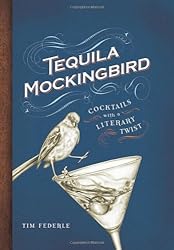
Tequilla Mockingbird: Cocktails with a Literary Twist

Wondering what to get your book club host? Look no further--this fun blend of literary anecdotes and cocktail recipes is sure to hit the spot. With hilarious recipe  names like Brave New Swirled, A Cocktail of Two Cities, and Romeo and Julep, it will amuse as much as wet your whistle.


Drink with Great Drinkers gift set

Help your writing group loosen up a little by tossing back a few using these literary shot glasses. Glasses feature Oscar Wilde, Dorothy Parker, Winston Churchill, W. B. Yeats, and Charles Baudelaire, with a quote about drinking by each.

For the Love of Reading Gourmet Gift Set

A book-lover's delight--a book design chest packed with coffee and sweet treats to enjoy with a favorite book. Perfect for your book club host, critique partner or family bibliophile.


Personal Library Kit

Perfect for your favorite book bloggers and beta readers: a kit to help them manage all the favorite titles they share with friends and family.


Editor gift set

What better way to thank your favorite superheroes with a red pen--your editor and proofreader--than to keep them well caffeinated and smiling? This nifty set includes several flavors of coffee, a fun mug and coaster set with the reminder "Keep Clam and Proofread."


Hyperbole Tee

What do you get for the critique partner with razor-sharp wit who always knows how to fix plot holes, talk you off ledges and pull your story's essence out of overwritten muck? How about this cheeky tee--Hyperbole: The Greatest Thing on Earth. Lots of fun colors to choose from, too.


Which of these gifts appeals most to  you? 

Sunday, December 14, 2014 Laurel Garver
Writer-friends, Christmas will soon be upon us, and if you're a procrastinator like me, you may have remembered at the last minute some special people you'd like to give a gift--your critique partner, writing group president, book club host, beta reader, editor or other support folks who have made your journey sweeter, like your book tour coordinator. Here are some fun ideas likely to appeal to any literature lover. (Click on each subtitle for more information or to purchase).

Tequilla Mockingbird: Cocktails with a Literary Twist

Wondering what to get your book club host? Look no further--this fun blend of literary anecdotes and cocktail recipes is sure to hit the spot. With hilarious recipe  names like Brave New Swirled, A Cocktail of Two Cities, and Romeo and Julep, it will amuse as much as wet your whistle.


Drink with Great Drinkers gift set

Help your writing group loosen up a little by tossing back a few using these literary shot glasses. Glasses feature Oscar Wilde, Dorothy Parker, Winston Churchill, W. B. Yeats, and Charles Baudelaire, with a quote about drinking by each.

For the Love of Reading Gourmet Gift Set

A book-lover's delight--a book design chest packed with coffee and sweet treats to enjoy with a favorite book. Perfect for your book club host, critique partner or family bibliophile.


Personal Library Kit

Perfect for your favorite book bloggers and beta readers: a kit to help them manage all the favorite titles they share with friends and family.


Editor gift set

What better way to thank your favorite superheroes with a red pen--your editor and proofreader--than to keep them well caffeinated and smiling? This nifty set includes several flavors of coffee, a fun mug and coaster set with the reminder "Keep Clam and Proofread."


Hyperbole Tee

What do you get for the critique partner with razor-sharp wit who always knows how to fix plot holes, talk you off ledges and pull your story's essence out of overwritten muck? How about this cheeky tee--Hyperbole: The Greatest Thing on Earth. Lots of fun colors to choose from, too.


Which of these gifts appeals most to  you? 

Tuesday, November 4

Too much of a good thing.... (photo by jycleaver, morguefile)
Dear Editor-on-Call,

I was just asked to beta read a piece from a very good writer friend and lo and behold, she is an overwriter. I am, too, to some extent, but this is excessive. Of course, I want to be gentle when I send this back, but if I was completely honest, I would be bleeding all over the page. Personally, I relish crits that I get back covered in red, because I see it as an awesome learning experience, but others are quite a bit more sensitive than I am. I'm worried that she is one of the sensitive ones. Egads, I don't know what to do here. Do you have any advice?

Sincerely,
Wannabe Gracious

~ ~ ~ ~ ~

Dear Gracious,

I've faced this issue before, too. And I'm a recovering overwriter myself. I'd suggest refraining from line editing the whole piece at this stage. General comments and especially questions will be more helpful to your friend, and less likely to wound. Something along the lines of "you have some very vivid descriptions here, and some that I think would feel stronger if you pared them back," then line edit a sentence to show what you mean. In areas where she describes the same thing six ways, try a margin question: which of these best captures your idea here? You can also recommend that she take a look at Self-Editing for Fiction Writers and Manuscript Makeover, which will provide great guidance for the revision process.

Especially encourage her to trust the reader more, and to strive for clarity and simplicity. Be sure to sandwich the idea of "you need to trim and simplify" with encouragement about what she does right: her characters are likeable, her emotions real, her humor funny, her plot attention-grabbing and the like. Overwriting is so often a sign of lack of confidence. Build her up in the right way, and she'll find the courage to trim.

Any other sage words for this advice-seeker? How do you typically approach critiquing an overwriter? 

Have an editing or revision question? Ask away. I'll tackle it in a future post.

Tuesday, November 04, 2014 Laurel Garver
Too much of a good thing.... (photo by jycleaver, morguefile)
Dear Editor-on-Call,

I was just asked to beta read a piece from a very good writer friend and lo and behold, she is an overwriter. I am, too, to some extent, but this is excessive. Of course, I want to be gentle when I send this back, but if I was completely honest, I would be bleeding all over the page. Personally, I relish crits that I get back covered in red, because I see it as an awesome learning experience, but others are quite a bit more sensitive than I am. I'm worried that she is one of the sensitive ones. Egads, I don't know what to do here. Do you have any advice?

Sincerely,
Wannabe Gracious

~ ~ ~ ~ ~

Dear Gracious,

I've faced this issue before, too. And I'm a recovering overwriter myself. I'd suggest refraining from line editing the whole piece at this stage. General comments and especially questions will be more helpful to your friend, and less likely to wound. Something along the lines of "you have some very vivid descriptions here, and some that I think would feel stronger if you pared them back," then line edit a sentence to show what you mean. In areas where she describes the same thing six ways, try a margin question: which of these best captures your idea here? You can also recommend that she take a look at Self-Editing for Fiction Writers and Manuscript Makeover, which will provide great guidance for the revision process.

Especially encourage her to trust the reader more, and to strive for clarity and simplicity. Be sure to sandwich the idea of "you need to trim and simplify" with encouragement about what she does right: her characters are likeable, her emotions real, her humor funny, her plot attention-grabbing and the like. Overwriting is so often a sign of lack of confidence. Build her up in the right way, and she'll find the courage to trim.

Any other sage words for this advice-seeker? How do you typically approach critiquing an overwriter? 

Have an editing or revision question? Ask away. I'll tackle it in a future post.

Tuesday, October 28

I'm a last born, which means I have a bit of a rebellious streak. I always like ideas best if I feel they aren't being forced on me by some authority figure. Who wants some bossy person breathing down your neck all the time?

Well, anyone who wants to get things accomplished. Having a rebellious streak not only gets you into scrapes with teachers, directors, managers, or other authorities, it also can keep you stuck in unproductive patterns.

Photo credit: vahiju from morguefile.com
Accountability to another party--not necessarily a bossy person, mind you--can keep you on track far more than going it alone. Why else would NaNoWriMo be such a popular program? Nothing is stopping you from picking any month you like, say January or July, to generate 50,000 words. What NaNo offers is a vast web of accountability, a mob of positive peer pressure to show up and do what you promised to show up and do.

Sadly, NaNo is only a month long. Some writers are able to maintain the relationships they develop then, others, shamed by failing to meet their goals, disengage.

I don't necessarily think we need more rigid programs to help with accountability, but I do believe all of us can benefit from having a someone or some group/team to whom we report about what we're up to.

Here are some ways to build an accountability structure.

Journal your progress

Sometimes you most need some visual reminder that you are showing up to write. When you hit a moment of self-loathing, you have a document you can hold in your hands to that proves you aren't actually a lazy slob. On days when you feel like you're spinning your wheels, you can see how far you've come and draw strength from it.

Roseanne Bane's Around the Writer's Block has some great advice about making commitments with yourself regarding process time (creative play) and product time (working on some aspect of research, drafting, revision, or marketing). As you mark your daily progress and see success with building a habit, she notes, the pleasure chemicals in your brain give you added reinforcement. You want to keep meeting goals and recording it. It feels great to succeed.

Seek social media accountability

I've found it helpful in distracted periods to declare my daily goal on Twitter, then check in again later in the day to report on my progress. Nothing like having your intentions exposed so publicly to make you eager to follow through.

Others use participate in "What's Up Wednesday" on their blogs to be accountable for progressing with projects (and to help them generate blog content and stay connected).


Have an accountability partner

A friend helped me get back into writing after years away by simply asking that I bring her pages each month when we met for coffee. She didn't care what I wrote, so long as I appeared with pages in hand. After a few meetings, I had the beginnings of a novel.

Participate in a writing group

A face-to-face group can be a great place to build accountability, either for you to produce work or to be developing your craft in some way. I participate in a group to which I bring up to two chapters per month for critique. Others in the group prefer to distribute whole drafts outside of meeting times, using meetings to simply report how they are progressing, and offer fellow writers critiques. The group meetings are often boisterous as we get excited about each other's works in progress and toss around creative ideas to overcome plot holes or other snags in the process.

Perhaps a looser group, such a "Write in" session at a local cafe or library might be all you need. Once again, NaNoWriMo has a forum to join or create such a group.


Find a mentor

Mentoring is like a more intimate teacher/student relationship, in which a less experienced person seeks the guidance of a more experience person. No matter where you are in the journey, you can benefit from this sort of relationship either as a mentor or a protege (this is the once widely-used term from someone who is mentored, before consultants invented the goofy word "mentee" that sounds like someone who belongs in an asylum).

A mentor might function more like an accountability partner with some wisdom for you, or more like a teacher/coach who doles out assignments, cheers you on, and gives you constructive feedback about what you're doing well and where you need to improve.

Professional associations like SCBWI for children's writers offer formal mentoring programs. Or you could seek out connections at places like Query Tracker forums, WANA Tribe (the acronym stands for "we are not alone"), Nathan Bransford's forums, or as I mentioned earlier, NaNoWriMo forums.

You might even have some potential mentor material in your own back yard. Connect with a local chapter of your genre's professional association, take a continuing education class, visit book signings. The perfect person to guide you might be closer than you realize.

Do you have accountability in your writing life? What avenues might you try to get it?
Tuesday, October 28, 2014 Laurel Garver
I'm a last born, which means I have a bit of a rebellious streak. I always like ideas best if I feel they aren't being forced on me by some authority figure. Who wants some bossy person breathing down your neck all the time?

Well, anyone who wants to get things accomplished. Having a rebellious streak not only gets you into scrapes with teachers, directors, managers, or other authorities, it also can keep you stuck in unproductive patterns.

Photo credit: vahiju from morguefile.com
Accountability to another party--not necessarily a bossy person, mind you--can keep you on track far more than going it alone. Why else would NaNoWriMo be such a popular program? Nothing is stopping you from picking any month you like, say January or July, to generate 50,000 words. What NaNo offers is a vast web of accountability, a mob of positive peer pressure to show up and do what you promised to show up and do.

Sadly, NaNo is only a month long. Some writers are able to maintain the relationships they develop then, others, shamed by failing to meet their goals, disengage.

I don't necessarily think we need more rigid programs to help with accountability, but I do believe all of us can benefit from having a someone or some group/team to whom we report about what we're up to.

Here are some ways to build an accountability structure.

Journal your progress

Sometimes you most need some visual reminder that you are showing up to write. When you hit a moment of self-loathing, you have a document you can hold in your hands to that proves you aren't actually a lazy slob. On days when you feel like you're spinning your wheels, you can see how far you've come and draw strength from it.

Roseanne Bane's Around the Writer's Block has some great advice about making commitments with yourself regarding process time (creative play) and product time (working on some aspect of research, drafting, revision, or marketing). As you mark your daily progress and see success with building a habit, she notes, the pleasure chemicals in your brain give you added reinforcement. You want to keep meeting goals and recording it. It feels great to succeed.

Seek social media accountability

I've found it helpful in distracted periods to declare my daily goal on Twitter, then check in again later in the day to report on my progress. Nothing like having your intentions exposed so publicly to make you eager to follow through.

Others use participate in "What's Up Wednesday" on their blogs to be accountable for progressing with projects (and to help them generate blog content and stay connected).


Have an accountability partner

A friend helped me get back into writing after years away by simply asking that I bring her pages each month when we met for coffee. She didn't care what I wrote, so long as I appeared with pages in hand. After a few meetings, I had the beginnings of a novel.

Participate in a writing group

A face-to-face group can be a great place to build accountability, either for you to produce work or to be developing your craft in some way. I participate in a group to which I bring up to two chapters per month for critique. Others in the group prefer to distribute whole drafts outside of meeting times, using meetings to simply report how they are progressing, and offer fellow writers critiques. The group meetings are often boisterous as we get excited about each other's works in progress and toss around creative ideas to overcome plot holes or other snags in the process.

Perhaps a looser group, such a "Write in" session at a local cafe or library might be all you need. Once again, NaNoWriMo has a forum to join or create such a group.


Find a mentor

Mentoring is like a more intimate teacher/student relationship, in which a less experienced person seeks the guidance of a more experience person. No matter where you are in the journey, you can benefit from this sort of relationship either as a mentor or a protege (this is the once widely-used term from someone who is mentored, before consultants invented the goofy word "mentee" that sounds like someone who belongs in an asylum).

A mentor might function more like an accountability partner with some wisdom for you, or more like a teacher/coach who doles out assignments, cheers you on, and gives you constructive feedback about what you're doing well and where you need to improve.

Professional associations like SCBWI for children's writers offer formal mentoring programs. Or you could seek out connections at places like Query Tracker forums, WANA Tribe (the acronym stands for "we are not alone"), Nathan Bransford's forums, or as I mentioned earlier, NaNoWriMo forums.

You might even have some potential mentor material in your own back yard. Connect with a local chapter of your genre's professional association, take a continuing education class, visit book signings. The perfect person to guide you might be closer than you realize.

Do you have accountability in your writing life? What avenues might you try to get it?

Wednesday, August 21

photo credit: morguefile.com
Putting ourselves out there to be evaluated by others--whether it's for critique partners or blog readers or agents and editors or the reading public--will involve risk every time. We may get all negative feedback, all positive or a mixed bag. Any of these scenarios has the power to eviscerate our productivity, though.

In The War of Art, Steven Pressfield offers this wisdom for keeping forward movement and using criticism well:

The professional loves her work. She is invested in it wholeheartedly. But she does not forget that the work is not her. Her artistic self contains many works and many performances. Already the next will be better, and the one after better still.

The professional self-validates. She is tough-minded. In the face of indifference or adulation, she assesses her stuff coldly and objectively. Where it fell short, she'll improve it. Where it triumphed, she'll make it better still. She'll work harder. She'll be back tomorrow. (88)

Pressfield goes on to talk about the proper place of criticism and our work. We use it to change and grow, but don't let it feed our inner insecurities. Because the inner force that Pressfield calls "Resistance" wants more than anything for us to quit this whole writing business altogether.

I especially like the hope Pressfield offers here about our creative selves--that we're capable of many projects, thus success or failure on the work du jour should never have the power to make or break us. The amazing future-you will come into being as long as you keep showing up and working.

Have you struggled with crushing doubt in the face of criticism? What helped you pick up and move on?

If you could meet your future self, what would you ask her? What wisdom do you hope she'll have for you?
Wednesday, August 21, 2013 Laurel Garver
photo credit: morguefile.com
Putting ourselves out there to be evaluated by others--whether it's for critique partners or blog readers or agents and editors or the reading public--will involve risk every time. We may get all negative feedback, all positive or a mixed bag. Any of these scenarios has the power to eviscerate our productivity, though.

In The War of Art, Steven Pressfield offers this wisdom for keeping forward movement and using criticism well:

The professional loves her work. She is invested in it wholeheartedly. But she does not forget that the work is not her. Her artistic self contains many works and many performances. Already the next will be better, and the one after better still.

The professional self-validates. She is tough-minded. In the face of indifference or adulation, she assesses her stuff coldly and objectively. Where it fell short, she'll improve it. Where it triumphed, she'll make it better still. She'll work harder. She'll be back tomorrow. (88)

Pressfield goes on to talk about the proper place of criticism and our work. We use it to change and grow, but don't let it feed our inner insecurities. Because the inner force that Pressfield calls "Resistance" wants more than anything for us to quit this whole writing business altogether.

I especially like the hope Pressfield offers here about our creative selves--that we're capable of many projects, thus success or failure on the work du jour should never have the power to make or break us. The amazing future-you will come into being as long as you keep showing up and working.

Have you struggled with crushing doubt in the face of criticism? What helped you pick up and move on?

If you could meet your future self, what would you ask her? What wisdom do you hope she'll have for you?

Wednesday, July 31

I love my critique group. They're gifted and enthusiastic and most of all, thoughtful. They've given me the courage to take big risks in my writing, but they also won't settle for less than the best from me.

The manuscript I've been plugging away at diligently seemed to me to hit a bump in the "break into act 2" --that moment when the protagonist moves out of the known setting and into the unknown. When my group told me this scene wasn't really grabbing them, I had to agree. It wasn't grabbing me, either.

My character walks into the setting of a grandparent who hoards. And if you've ever seen more than one episode of Hoarders, you know there's something fascinatingly pathological about the phenomenon. But random piles of stuff stacked to the ceiling  isn't actually that interesting to read about.

photo by Marcin Modestowics, morguefile.com
I needed to dig deeper. Because this grandparent is at the epicenter of a lot of family dysfunction. What he hoards (and how he hides it) needs to communicate information about the roots of his anxiety and how other family members were effected by it.

The more I've researched the psychology at play in this family, the more ideas began to suggest themselves. I have a better sense of ways to make this setting stand out, to communicate volumes with a few well-chosen details. Much of the research actually upended my understanding of this grandparent's inner workings.

If you find yourself at a loss about how to make a setting that matters, I suggest going deeper with your characters. Beyond the obvious. What drives them? What are their aspirations? How do they like to present themselves to the world? How divergent are their inner and public personas? What past wound to they expend energy hiding or compensating for?

One of the most powerful examples of a telling character/setting connection I can think of is J.K. Rowling's Dolores Umbridge. Everywhere she goes, she works hard to put forward an image of sweet femininity, dressing always in pink, wearing a girlish bow in her hair and speaking in a high-pitched childish voice. She decorates her public reception area in rose, puce, and petal, and prominently features frolicking kittens. She likes to appear tame and cute. What better disguise for an ambitious female in a chauvinistic world? She's every bit as ambitious and cunning (and sadistic) as the men around her, but she knows these traits are shunned in women. So she takes on an uber-feminine, uber-girly princess-and-tea-parties persona as a smokescreen.

Had Rowling made Umbridge a bit more like Miss Trunchbull in Roald Dahl's Matilda, she wouldn't be quite as chilling. And certainly not sophisticated enough a villain for as grand and mature a series as Harry Potter.

Go deeper in understanding your characters' psychology, and stand out settings and details will begin to suggest themselves to you, too.

In what books or films have you found the settings and details psychologically interesting? How might you pump up your work with details that play against expectation or serve as a smokescreen?
Wednesday, July 31, 2013 Laurel Garver
I love my critique group. They're gifted and enthusiastic and most of all, thoughtful. They've given me the courage to take big risks in my writing, but they also won't settle for less than the best from me.

The manuscript I've been plugging away at diligently seemed to me to hit a bump in the "break into act 2" --that moment when the protagonist moves out of the known setting and into the unknown. When my group told me this scene wasn't really grabbing them, I had to agree. It wasn't grabbing me, either.

My character walks into the setting of a grandparent who hoards. And if you've ever seen more than one episode of Hoarders, you know there's something fascinatingly pathological about the phenomenon. But random piles of stuff stacked to the ceiling  isn't actually that interesting to read about.

photo by Marcin Modestowics, morguefile.com
I needed to dig deeper. Because this grandparent is at the epicenter of a lot of family dysfunction. What he hoards (and how he hides it) needs to communicate information about the roots of his anxiety and how other family members were effected by it.

The more I've researched the psychology at play in this family, the more ideas began to suggest themselves. I have a better sense of ways to make this setting stand out, to communicate volumes with a few well-chosen details. Much of the research actually upended my understanding of this grandparent's inner workings.

If you find yourself at a loss about how to make a setting that matters, I suggest going deeper with your characters. Beyond the obvious. What drives them? What are their aspirations? How do they like to present themselves to the world? How divergent are their inner and public personas? What past wound to they expend energy hiding or compensating for?

One of the most powerful examples of a telling character/setting connection I can think of is J.K. Rowling's Dolores Umbridge. Everywhere she goes, she works hard to put forward an image of sweet femininity, dressing always in pink, wearing a girlish bow in her hair and speaking in a high-pitched childish voice. She decorates her public reception area in rose, puce, and petal, and prominently features frolicking kittens. She likes to appear tame and cute. What better disguise for an ambitious female in a chauvinistic world? She's every bit as ambitious and cunning (and sadistic) as the men around her, but she knows these traits are shunned in women. So she takes on an uber-feminine, uber-girly princess-and-tea-parties persona as a smokescreen.

Had Rowling made Umbridge a bit more like Miss Trunchbull in Roald Dahl's Matilda, she wouldn't be quite as chilling. And certainly not sophisticated enough a villain for as grand and mature a series as Harry Potter.

Go deeper in understanding your characters' psychology, and stand out settings and details will begin to suggest themselves to you, too.

In what books or films have you found the settings and details psychologically interesting? How might you pump up your work with details that play against expectation or serve as a smokescreen?

Tuesday, March 26

I recently returned from my first writing retreat, which was a somewhat tough experience, because I was trying to wrangle a "problem child" manuscript. Forcing myself to write through the block made one thing very clear--I'd taken some wrong turns early on. Last night my critique group met and helped me pinpoint key choices I made in chapter three that are at the root of getting repeatedly stuck and frustrated ever after.

If you find yourself frequently hitting walls as you draft, learn from my mistake and ask a few trusted readers to take a look at your opening chapters sooner rather than later. Sometimes a decision that seemed logical to you won't to another reader. Pinpointing those issues early on will save you a lot of grief.

When you drive without GPS and take a wrong turn somewhere, plowing ahead will only get you more lost. That's when you need to stop and retrace your steps back to the place where you did have a sense of direction. (Or stop and ask for directions.)

In the case of a story, that means rewind. Go back to the last place where the story was working at its full potential, then slowly read on in search of the wrong turn.


Here are some common culprits:

Characterization
~Protagonist loses sight of his/her objective

~Protagonist's desire or motivation shifts unexpectedly

~A character does something with no logical motivation

~A character doesn't do something s/he'd logically be motivated to do

~A character overreacts and conflict escalates or resolution happens too soon

~A character underreacts and forward motion doesn't happen

~A secondary character or subplot suddenly steals center stage

Structure/pacing
~A plot complication is too low-stakes

~Early information dump leaves too little surprise to be revealed later

~You've withheld information that would enable forward movement

~You've introduced too many complications or obstacles too soon

~You've introduced too many characters--some aren't important or interesting

~You need to introduce secondary characters sooner and make them pull their weight

~You have no subplots, or you've failed to keep moving a subplot forward

~You've given inadequate attention to the protagonist's inner journey

Whether your story is plot-driven or character-driven, emotions are the real energy behind it all, so developing characters' emotions well and "on pitch" is the core challenge. Thus, it's very often characterization issues that get us off course most frequently.

Every time I've made a wrong turn with plot, there were seeds of off-pitch emotions behind it. Those off-pitch moments can start very, very subtly--a yelp when a gasp would do, an analytic thought in a moment of panic. Or perhaps the plot complication I introduced is not high stakes enough to trigger the big emotions I need to move the story forward. Balancing plot with characterization is a tricky dance.

Don't be surprised when you rewind to discover a seemingly nothing moment that inadvertently set the wrong tone, which then snowballed all other emotions in the wrong direction. Tweak that moment, and you'd be surprised how quickly you're back on course again.

How might the rewind concept help you?
Tuesday, March 26, 2013 Laurel Garver
I recently returned from my first writing retreat, which was a somewhat tough experience, because I was trying to wrangle a "problem child" manuscript. Forcing myself to write through the block made one thing very clear--I'd taken some wrong turns early on. Last night my critique group met and helped me pinpoint key choices I made in chapter three that are at the root of getting repeatedly stuck and frustrated ever after.

If you find yourself frequently hitting walls as you draft, learn from my mistake and ask a few trusted readers to take a look at your opening chapters sooner rather than later. Sometimes a decision that seemed logical to you won't to another reader. Pinpointing those issues early on will save you a lot of grief.

When you drive without GPS and take a wrong turn somewhere, plowing ahead will only get you more lost. That's when you need to stop and retrace your steps back to the place where you did have a sense of direction. (Or stop and ask for directions.)

In the case of a story, that means rewind. Go back to the last place where the story was working at its full potential, then slowly read on in search of the wrong turn.


Here are some common culprits:

Characterization
~Protagonist loses sight of his/her objective

~Protagonist's desire or motivation shifts unexpectedly

~A character does something with no logical motivation

~A character doesn't do something s/he'd logically be motivated to do

~A character overreacts and conflict escalates or resolution happens too soon

~A character underreacts and forward motion doesn't happen

~A secondary character or subplot suddenly steals center stage

Structure/pacing
~A plot complication is too low-stakes

~Early information dump leaves too little surprise to be revealed later

~You've withheld information that would enable forward movement

~You've introduced too many complications or obstacles too soon

~You've introduced too many characters--some aren't important or interesting

~You need to introduce secondary characters sooner and make them pull their weight

~You have no subplots, or you've failed to keep moving a subplot forward

~You've given inadequate attention to the protagonist's inner journey

Whether your story is plot-driven or character-driven, emotions are the real energy behind it all, so developing characters' emotions well and "on pitch" is the core challenge. Thus, it's very often characterization issues that get us off course most frequently.

Every time I've made a wrong turn with plot, there were seeds of off-pitch emotions behind it. Those off-pitch moments can start very, very subtly--a yelp when a gasp would do, an analytic thought in a moment of panic. Or perhaps the plot complication I introduced is not high stakes enough to trigger the big emotions I need to move the story forward. Balancing plot with characterization is a tricky dance.

Don't be surprised when you rewind to discover a seemingly nothing moment that inadvertently set the wrong tone, which then snowballed all other emotions in the wrong direction. Tweak that moment, and you'd be surprised how quickly you're back on course again.

How might the rewind concept help you?

Tuesday, January 29


Putting ourselves out there to be evaluated by others--whether it's for critique partners or blog readers or agents and editors or the reading public--will involve risk every time. We may get all negative feedback, all positive or a mixed bag. Any of these scenarios has the power to eviscerate our productivity, though. In The War of Art, Steven Pressfield offers this wisdom for keeping forward movement and using criticism well:

The professional loves her work. She is invested in it wholeheartedly. But she does not forget that the work is not her. Her artistic self contains many works and many performances. Already the next will be better, and the one after better still.
The professional self-validates. She is tough-minded. In the face of indifference or adulation, she assesses her stuff coldly and objectively. Where it fell short, she'll improve it. Where it triumphed, she'll make it better still. She'll work harder. She'll be back tomorrow. (88)

Pressfield goes on to talk about the proper place of criticism and our work. We use it to change and grow, but don't let it feed our inner insecurities. Because that inner force that Pressfield calls "Resistance" wants more than anything for us to quit this whole writing business altogether.

I especially like the hope Pressfield offers here about our creative selves--that we're capable of many projects, thus success or failure on the work du jour should never have the power to make or break us. The amazing future-you will come into being as long as you keep showing up and working.

Have you struggled with crushing doubt in the face of criticism? What helped you pick up and move on?

If you could meet your future self, what would you ask her? What wisdom do you hope she'll have for you?
Tuesday, January 29, 2013 Laurel Garver

Putting ourselves out there to be evaluated by others--whether it's for critique partners or blog readers or agents and editors or the reading public--will involve risk every time. We may get all negative feedback, all positive or a mixed bag. Any of these scenarios has the power to eviscerate our productivity, though. In The War of Art, Steven Pressfield offers this wisdom for keeping forward movement and using criticism well:

The professional loves her work. She is invested in it wholeheartedly. But she does not forget that the work is not her. Her artistic self contains many works and many performances. Already the next will be better, and the one after better still.
The professional self-validates. She is tough-minded. In the face of indifference or adulation, she assesses her stuff coldly and objectively. Where it fell short, she'll improve it. Where it triumphed, she'll make it better still. She'll work harder. She'll be back tomorrow. (88)

Pressfield goes on to talk about the proper place of criticism and our work. We use it to change and grow, but don't let it feed our inner insecurities. Because that inner force that Pressfield calls "Resistance" wants more than anything for us to quit this whole writing business altogether.

I especially like the hope Pressfield offers here about our creative selves--that we're capable of many projects, thus success or failure on the work du jour should never have the power to make or break us. The amazing future-you will come into being as long as you keep showing up and working.

Have you struggled with crushing doubt in the face of criticism? What helped you pick up and move on?

If you could meet your future self, what would you ask her? What wisdom do you hope she'll have for you?

Tuesday, October 18

My critique group meets tonight and it was really tough for me to not send bits of my rough draft in progress off to the gang for feedback. But I had to ask myself whether feeback at this stage would be a help or a hinderance. I tend to have only the loosest sense of the trajectory of the story when drafting, leaving lots of room for discoveries, but also for wrong turns and deadends. Those wrong turns sometimes don't reveal themselves as such for chapters and chapters. Getting feedback too soon might tempt me to keep in a well written scene that takes the story the wrong direction, or alternately, to abandon an idea that needs more development but could flower into something amazing.

With my previous book, I had two people who served as "alpha readers": folks who read chapters as I finished them, cheered me on and with whom I could discuss problems that perplexed me. Their purpose was not so much to critique as to be an accountability mechanism and sounding board.

Only after I had a complete draft did I ask for critiques, starting with broad-strokes issues like characterization, plot and pacing. Those folks were "beta readers." In the revision process, I leaned on my critique groups to help me do the next sets of revisions (I jokingly called them "gamma" and "delta" readers).

I now wonder if that could have been a more efficient process. I fear I became a bit too much of a feedback junkie, and got addicted to having "enough" praise before I felt good about a section. What I lost was a sense of my own vision and confidence in my instincts.

How about you? How many people see your work and at what stages?

image from www.morguefile.com
Tuesday, October 18, 2011 Laurel Garver
My critique group meets tonight and it was really tough for me to not send bits of my rough draft in progress off to the gang for feedback. But I had to ask myself whether feeback at this stage would be a help or a hinderance. I tend to have only the loosest sense of the trajectory of the story when drafting, leaving lots of room for discoveries, but also for wrong turns and deadends. Those wrong turns sometimes don't reveal themselves as such for chapters and chapters. Getting feedback too soon might tempt me to keep in a well written scene that takes the story the wrong direction, or alternately, to abandon an idea that needs more development but could flower into something amazing.

With my previous book, I had two people who served as "alpha readers": folks who read chapters as I finished them, cheered me on and with whom I could discuss problems that perplexed me. Their purpose was not so much to critique as to be an accountability mechanism and sounding board.

Only after I had a complete draft did I ask for critiques, starting with broad-strokes issues like characterization, plot and pacing. Those folks were "beta readers." In the revision process, I leaned on my critique groups to help me do the next sets of revisions (I jokingly called them "gamma" and "delta" readers).

I now wonder if that could have been a more efficient process. I fear I became a bit too much of a feedback junkie, and got addicted to having "enough" praise before I felt good about a section. What I lost was a sense of my own vision and confidence in my instincts.

How about you? How many people see your work and at what stages?

image from www.morguefile.com

Tuesday, June 14

Dear Editor-on-call,

How do we figure out where the line is between a stylized voice/dialect vs. proper grammar? I know this is a hugely "case-by-case" basis, but I often find the pieces I write with a bit of a dialect or style get corrected by critiquers for grammar, effectively changing how the character would think.

Sincerely,
Dialectable Dilemma
a.k.a. Sophia at Sophia the Writer


Dear Di,

I suspect the subtext of your question is this: "What do you do when your critiquers are so zealous in their campaign to promote 'good writing' that they suck all the voice out of your work?"

Let's face it, reading is a subjective thing. Some people like to experience cultures beyond their own, to meet people very unlike themselves--and others don't. Any literary device you choose to use will have its fans and its detractors.

As I see it, you have a few options in this scenario.

A. You keep changing your book trying to please everyone until you hate it so much you shelve it.

Can we say neurotic need for affirmation? Nothing will make you quit writing faster than trying to be everything to everyone.

B. You ignore everything the grammar zealots say, because they obviously don't get you.

Of course, they very well might have good insights into non-dialect sections. Do you really want to lose that too?

C. You ask only those who get what you're trying to do to read and critique.

Here, you run the danger of stagnating, because these friendly folks won't push you to change and grow.

D. You provide requests for specific feedback when asking anyone to critique:
"This story contains dialect. Please highlight spots that you think aren't quite reading smoothly."

If you're getting a lot of advice that feels useless, consider how you can be more explicit about what would be useful. Every reader goes into some default mode when they aren't given instruction. For some, the default is "find a dozen nice things to say." For others, the default is "find every instance of nonstandard usage and sloppy grammar."


You can probably guess which option I favor (D, of course!). While it's a good idea to periodically reassess how healthy or dysfunctional your critique relationships are, don't be too quick to sever ties with those who seem too harsh--or give unhelpful advice. Most folks who get into critique groups do so with the intention to learn and to help. Sometimes all that's needed is a meeting session in which you establish some ground rules, then ask for specific kinds of feedback whenever you submit work to be critiqued.

If that doesn't change things, you can decide to ignore certain kinds of critique (like grammar correcting dialect), mull the crits and weigh their merits, or simply leave if the overwhelming feeling from the group is constant negativity and put-downs.

While I haven't read it myself, I've heard others recommend The Writing & Critique Group Survival Guide: How to Make Revisions, Self-Edit, and Give and Receive Feedback by Becky Levine as a great resource for both new and established critique groups to function well.

And when it comes to dialect, go light. And here are some great links from folks more experienced than I on the topic:

The Uses and Abuses of Dialect
Grammar Girl: Writing Accents and Dialects
Writing Dialect: It's in the Rhythm

How have you dealt with unhelpful critiques? What's your take on dialect in fiction?
Tuesday, June 14, 2011 Laurel Garver
Dear Editor-on-call,

How do we figure out where the line is between a stylized voice/dialect vs. proper grammar? I know this is a hugely "case-by-case" basis, but I often find the pieces I write with a bit of a dialect or style get corrected by critiquers for grammar, effectively changing how the character would think.

Sincerely,
Dialectable Dilemma
a.k.a. Sophia at Sophia the Writer


Dear Di,

I suspect the subtext of your question is this: "What do you do when your critiquers are so zealous in their campaign to promote 'good writing' that they suck all the voice out of your work?"

Let's face it, reading is a subjective thing. Some people like to experience cultures beyond their own, to meet people very unlike themselves--and others don't. Any literary device you choose to use will have its fans and its detractors.

As I see it, you have a few options in this scenario.

A. You keep changing your book trying to please everyone until you hate it so much you shelve it.

Can we say neurotic need for affirmation? Nothing will make you quit writing faster than trying to be everything to everyone.

B. You ignore everything the grammar zealots say, because they obviously don't get you.

Of course, they very well might have good insights into non-dialect sections. Do you really want to lose that too?

C. You ask only those who get what you're trying to do to read and critique.

Here, you run the danger of stagnating, because these friendly folks won't push you to change and grow.

D. You provide requests for specific feedback when asking anyone to critique:
"This story contains dialect. Please highlight spots that you think aren't quite reading smoothly."

If you're getting a lot of advice that feels useless, consider how you can be more explicit about what would be useful. Every reader goes into some default mode when they aren't given instruction. For some, the default is "find a dozen nice things to say." For others, the default is "find every instance of nonstandard usage and sloppy grammar."


You can probably guess which option I favor (D, of course!). While it's a good idea to periodically reassess how healthy or dysfunctional your critique relationships are, don't be too quick to sever ties with those who seem too harsh--or give unhelpful advice. Most folks who get into critique groups do so with the intention to learn and to help. Sometimes all that's needed is a meeting session in which you establish some ground rules, then ask for specific kinds of feedback whenever you submit work to be critiqued.

If that doesn't change things, you can decide to ignore certain kinds of critique (like grammar correcting dialect), mull the crits and weigh their merits, or simply leave if the overwhelming feeling from the group is constant negativity and put-downs.

While I haven't read it myself, I've heard others recommend The Writing & Critique Group Survival Guide: How to Make Revisions, Self-Edit, and Give and Receive Feedback by Becky Levine as a great resource for both new and established critique groups to function well.

And when it comes to dialect, go light. And here are some great links from folks more experienced than I on the topic:

The Uses and Abuses of Dialect
Grammar Girl: Writing Accents and Dialects
Writing Dialect: It's in the Rhythm

How have you dealt with unhelpful critiques? What's your take on dialect in fiction?

Friday, March 4

The fine folks at The Literary Lab have released a new anthology this week, entitled Notes from Underground, including work by one of my CPs, Simon Larter, and blog followers Anne Gallagher and Summer Ross. Way to go, writer friends!

All proceeds from the sale of this anthology go to the American Society of Journalists and Authors Writers Emergency Assistance Fund.

Here's how to get your hands on a copy:


PRINT COPIES through CreateSpace Store
$10 each (If you subscribe to The Literary Lab mailing list, you will receive a 15% discount code to use in the Create Space store. They will email the code by the end of each day to new subscribers until March 8, when the discount expires.)
click here

A larger precentage of profits go the the ASJA Writers Emergency Assistance Fund from the Create Space site, verus other outlets.

PRINT COPIES through Amazon
$10 each
click here

KINDLE COPIES through Amazon
$4.99 each
click here

Have a great weekend, friends! Any fun plans? Anyone else slogging through tax forms? Any tips for surviving the annual agony?
Friday, March 04, 2011 Laurel Garver
The fine folks at The Literary Lab have released a new anthology this week, entitled Notes from Underground, including work by one of my CPs, Simon Larter, and blog followers Anne Gallagher and Summer Ross. Way to go, writer friends!

All proceeds from the sale of this anthology go to the American Society of Journalists and Authors Writers Emergency Assistance Fund.

Here's how to get your hands on a copy:


PRINT COPIES through CreateSpace Store
$10 each (If you subscribe to The Literary Lab mailing list, you will receive a 15% discount code to use in the Create Space store. They will email the code by the end of each day to new subscribers until March 8, when the discount expires.)
click here

A larger precentage of profits go the the ASJA Writers Emergency Assistance Fund from the Create Space site, verus other outlets.

PRINT COPIES through Amazon
$10 each
click here

KINDLE COPIES through Amazon
$4.99 each
click here

Have a great weekend, friends! Any fun plans? Anyone else slogging through tax forms? Any tips for surviving the annual agony?

Friday, February 11

For most of the world, today's date is 11-02-2011, a palindrome. You know, something that can be read the same forward and backward. I suppose we wacky Americans will celebrate on November 2, since our convention is to write dates in month, day, year format.

Palindromes are the math of language--more about pattern than meaning per se. People who are good at creating them are guaranteed to slaughter you at Scrabble. But someone with this kind of mind this makes a great addition to your reading team, because he or she will catch every echo, missing word and spelling error, saving you from many embarrassments.

One of my favorite fictional characters, Adah in Barbara Kingsolver's The Poisonwood Bible, habitually plays palindrome games in her head. Adah walks with a limp--unsymmetrical movement. Yet intellectually, she loves symmetry and especially "palindromes, with their perfect, satisfying taste." She explains:

"When I finish reading a book from front to back, I read it back to front. It is a different book, back to front, and you can learn new things from it. It from things new learn can you and front to back book different a is it?

"You can agree or not, as you like. This is another way to read it, although I am told a normal brain will not grasp it: Ti morf sgniht wen nrael can uoy dna tnorf ot kcab koob tnereffid a si ti. The normal, I understand, can see words my way only if they are adequately poetic: Poor Dan is in a droop" (p. 56).

I can't say my brain naturally works like Adah's, but I do find palindromes fun and fascinating. Here are a few favorites I found online:

Was it a car or a cat I saw?
Lisa Bonet ate no basil.
No trace, not one carton.
Nurse, I spy gypsies. Run!
I saw desserts; I’d no lemons, alas no melon! Distressed was I.

There are loads more at The Biggest List of Palindromes Online.

Have a favorite palindrome? What word games do you like to play? What would be a good way to celebrate Palindrome Day?
Friday, February 11, 2011 Laurel Garver
For most of the world, today's date is 11-02-2011, a palindrome. You know, something that can be read the same forward and backward. I suppose we wacky Americans will celebrate on November 2, since our convention is to write dates in month, day, year format.

Palindromes are the math of language--more about pattern than meaning per se. People who are good at creating them are guaranteed to slaughter you at Scrabble. But someone with this kind of mind this makes a great addition to your reading team, because he or she will catch every echo, missing word and spelling error, saving you from many embarrassments.

One of my favorite fictional characters, Adah in Barbara Kingsolver's The Poisonwood Bible, habitually plays palindrome games in her head. Adah walks with a limp--unsymmetrical movement. Yet intellectually, she loves symmetry and especially "palindromes, with their perfect, satisfying taste." She explains:

"When I finish reading a book from front to back, I read it back to front. It is a different book, back to front, and you can learn new things from it. It from things new learn can you and front to back book different a is it?

"You can agree or not, as you like. This is another way to read it, although I am told a normal brain will not grasp it: Ti morf sgniht wen nrael can uoy dna tnorf ot kcab koob tnereffid a si ti. The normal, I understand, can see words my way only if they are adequately poetic: Poor Dan is in a droop" (p. 56).

I can't say my brain naturally works like Adah's, but I do find palindromes fun and fascinating. Here are a few favorites I found online:

Was it a car or a cat I saw?
Lisa Bonet ate no basil.
No trace, not one carton.
Nurse, I spy gypsies. Run!
I saw desserts; I’d no lemons, alas no melon! Distressed was I.

There are loads more at The Biggest List of Palindromes Online.

Have a favorite palindrome? What word games do you like to play? What would be a good way to celebrate Palindrome Day?

Thursday, February 10

When you work on multiple computers, you have to be careful or you're likely to lose precious hours. I've usually used the program Dropbox to keep all my files synced, but earlier this week I decided to e-mail myself a piece I was in the middle of critiquing.

Can you feel the dumb coming? That's right, I downloaded the incomplete file and did NOT save it to a specific folder under a new name. I just opened the document and started working. Well, guess what? At the end of THREE HOURS, I hit save. Then I tried to e-mail this critique. The file, of course, had vanished.

I've run six different searches, expanded even into the program files, with no luck. That sucker is just gone. I'll have to re-do all that work--re-inputting comments on five chapters out of nine total.

Friends, please learn from my mental lapse. If you ever download a Word document from e-mail, immediately do a "save as," give it a new name, and specify that it save to a folder where you can find it again. Make no changes until you are certain the document is physically on your computer. Use a program like Googledocs or Dropbox to back up everything as well.

Anyone have a computer-related "epic fail" story you want to share? What steps do you take to ensure files don't vanish?
Thursday, February 10, 2011 Laurel Garver
When you work on multiple computers, you have to be careful or you're likely to lose precious hours. I've usually used the program Dropbox to keep all my files synced, but earlier this week I decided to e-mail myself a piece I was in the middle of critiquing.

Can you feel the dumb coming? That's right, I downloaded the incomplete file and did NOT save it to a specific folder under a new name. I just opened the document and started working. Well, guess what? At the end of THREE HOURS, I hit save. Then I tried to e-mail this critique. The file, of course, had vanished.

I've run six different searches, expanded even into the program files, with no luck. That sucker is just gone. I'll have to re-do all that work--re-inputting comments on five chapters out of nine total.

Friends, please learn from my mental lapse. If you ever download a Word document from e-mail, immediately do a "save as," give it a new name, and specify that it save to a folder where you can find it again. Make no changes until you are certain the document is physically on your computer. Use a program like Googledocs or Dropbox to back up everything as well.

Anyone have a computer-related "epic fail" story you want to share? What steps do you take to ensure files don't vanish?

Thursday, October 21


Just in time for Halloween, I'll be giving away a copy of Adventures of the Poodle Posse: Creepy Tails.

This adorable easy reader includes an illustrated story about the Poodle Posse's trick-or-treat adventures, plus Halloween activities and recipes--great holiday fun for you and the kids. It's a project I copy edited, written by one of my critique partners, Chrysa Smith. You can learn more about her poodle stories for kids at The Well Bred Book.

To enter the drawing, you must be a follower and comment below. Tweet this post for an extra entry (let me know in your comment that you did so).

I'll announce the winner on Monday, October 25.
Thursday, October 21, 2010 Laurel Garver

Just in time for Halloween, I'll be giving away a copy of Adventures of the Poodle Posse: Creepy Tails.

This adorable easy reader includes an illustrated story about the Poodle Posse's trick-or-treat adventures, plus Halloween activities and recipes--great holiday fun for you and the kids. It's a project I copy edited, written by one of my critique partners, Chrysa Smith. You can learn more about her poodle stories for kids at The Well Bred Book.

To enter the drawing, you must be a follower and comment below. Tweet this post for an extra entry (let me know in your comment that you did so).

I'll announce the winner on Monday, October 25.

Thursday, September 9

Attention greater Philly-area writer bloggers--a local get together will be happening soon. My CP Simon Larter and the lovely Frankie Diane Mallis of First Novels Club have been trying to plan this event for months now. If you'd like more details, see Frankie's post HERE. I look forward to meeting some of you fine folks in real life!

Don't forget to enter my contest!

I spent yesterday on the couch rewatching the entire A&E Pride and Prejudice miniseries and guzzling tea between bouts of seal-bark coughing. (Is it possible for adults to get croup?)

What comfort films do you pull out when you're sick?
Thursday, September 09, 2010 Laurel Garver
Attention greater Philly-area writer bloggers--a local get together will be happening soon. My CP Simon Larter and the lovely Frankie Diane Mallis of First Novels Club have been trying to plan this event for months now. If you'd like more details, see Frankie's post HERE. I look forward to meeting some of you fine folks in real life!

Don't forget to enter my contest!

I spent yesterday on the couch rewatching the entire A&E Pride and Prejudice miniseries and guzzling tea between bouts of seal-bark coughing. (Is it possible for adults to get croup?)

What comfort films do you pull out when you're sick?

Friday, August 27

Putting ourselves out there to be evaluated by others--whether it's for critique partners or blog readers or agents and editors or the reading public--will involve risk every time. We may get all negative feedback, all positive or a mixed bag. Any of these scenarios has the power to eviscerate our productivity, though. In The War of Art, Steven Pressfield offers this wisdom for keeping forward movement and using criticism well:

The professional loves her work. She is invested in it wholeheartedly. But she does not forget that the work is not her. Her artistic self contains many works and many performances. Already the next will be better, and the one after better still.
The professional self-validates. She is tough-minded. In the face of indifference or adulation, she assesses her stuff coldly and objectively. Where it fell short, she'll improve it. Where it triumphed, she'll make it better still. She'll work harder. She'll be back tomorrow. (88)

Pressfield goes on to talk about the proper place of criticism and our work. We use it to change and grow, but don't let it feed our inner insecurities. Because that inner force that Pressfield calls "Resistance" wants more than anything for us to quit this whole writing business altogether.

I especially like the hope Pressfield offers here about our creative selves--that we're capable of many projects, thus success or failure on the work du jour should never have the power to make or break us. The amazing future-you will come into being as long as you keep showing up and working.

Have you struggled with crushing doubt in the face of criticism? What helped you pick up and move on?

If you could meet your future self, what would you ask her? What wisdom do you hope she'll have for you?

=====

In other news, I'll be posting news about a 202 followers celebration next week. Stay tuned!
Friday, August 27, 2010 Laurel Garver
Putting ourselves out there to be evaluated by others--whether it's for critique partners or blog readers or agents and editors or the reading public--will involve risk every time. We may get all negative feedback, all positive or a mixed bag. Any of these scenarios has the power to eviscerate our productivity, though. In The War of Art, Steven Pressfield offers this wisdom for keeping forward movement and using criticism well:

The professional loves her work. She is invested in it wholeheartedly. But she does not forget that the work is not her. Her artistic self contains many works and many performances. Already the next will be better, and the one after better still.
The professional self-validates. She is tough-minded. In the face of indifference or adulation, she assesses her stuff coldly and objectively. Where it fell short, she'll improve it. Where it triumphed, she'll make it better still. She'll work harder. She'll be back tomorrow. (88)

Pressfield goes on to talk about the proper place of criticism and our work. We use it to change and grow, but don't let it feed our inner insecurities. Because that inner force that Pressfield calls "Resistance" wants more than anything for us to quit this whole writing business altogether.

I especially like the hope Pressfield offers here about our creative selves--that we're capable of many projects, thus success or failure on the work du jour should never have the power to make or break us. The amazing future-you will come into being as long as you keep showing up and working.

Have you struggled with crushing doubt in the face of criticism? What helped you pick up and move on?

If you could meet your future self, what would you ask her? What wisdom do you hope she'll have for you?

=====

In other news, I'll be posting news about a 202 followers celebration next week. Stay tuned!

Friday, June 18

Dear Editor-on-Call,

I was just asked to beta read a piece from a very good writer friend and lo and behold, she is an overwriter. I am, too, to some extent, but this is excessive. Of course, I want to be gentle when I send this back, but if I was completely honest, I would be bleeding all over the page. Personally, I relish crits that I get back covered in red, because I see it as an awesome learning experience, but others are quite a bit more sensitive than I am. I'm worried that she is one of the sensitive ones. Egads, I don't know what to do here. Do you have any advice?

Sincerely,
Wannabe Gracious

~ ~ ~ ~ ~

Dear Gracious,

I've faced this issue before, too. And I'm a recovering overwriter myself. I'd suggest refraining from line editing the whole piece at this stage. General comments and especially questions will be more helpful to your friend, and less likely to wound. Something along the lines of "you have some very vivid descriptions here, and some that I think would feel stronger if you pared them back," then line edit a sentence to show what you mean. In areas where she describes the same thing six ways, try a margin question: which of these best captures your idea here? You can also recommend that she take a look at Self-Editing for Fiction Writers and Manuscript Makeover, which will provide great guidance for the revision process.

Especially encourage her to trust the reader more, and to strive for clarity and simplicity. Be sure to sandwich the idea of "you need to trim and simplify" with encouragement about what she does right: her characters are likeable, her emotions real, her humor funny, her plot attention-grabbing and the like. Overwriting is so often a sign of lack of confidence. Build her up in the right way, and she'll find the courage to trim.

Cheers,
Laurel

Any other sage words for this advice-seeker? How do you typically approach critiquing an overwriter?

Any other pressing questions you'd like me to address in a future post? Send them to me at laurels (dot) leaves (at) gmail (dot) com.

I'm out of town for the weekend and may not respond to comments till Sunday or Monday.
Friday, June 18, 2010 Laurel Garver
Dear Editor-on-Call,

I was just asked to beta read a piece from a very good writer friend and lo and behold, she is an overwriter. I am, too, to some extent, but this is excessive. Of course, I want to be gentle when I send this back, but if I was completely honest, I would be bleeding all over the page. Personally, I relish crits that I get back covered in red, because I see it as an awesome learning experience, but others are quite a bit more sensitive than I am. I'm worried that she is one of the sensitive ones. Egads, I don't know what to do here. Do you have any advice?

Sincerely,
Wannabe Gracious

~ ~ ~ ~ ~

Dear Gracious,

I've faced this issue before, too. And I'm a recovering overwriter myself. I'd suggest refraining from line editing the whole piece at this stage. General comments and especially questions will be more helpful to your friend, and less likely to wound. Something along the lines of "you have some very vivid descriptions here, and some that I think would feel stronger if you pared them back," then line edit a sentence to show what you mean. In areas where she describes the same thing six ways, try a margin question: which of these best captures your idea here? You can also recommend that she take a look at Self-Editing for Fiction Writers and Manuscript Makeover, which will provide great guidance for the revision process.

Especially encourage her to trust the reader more, and to strive for clarity and simplicity. Be sure to sandwich the idea of "you need to trim and simplify" with encouragement about what she does right: her characters are likeable, her emotions real, her humor funny, her plot attention-grabbing and the like. Overwriting is so often a sign of lack of confidence. Build her up in the right way, and she'll find the courage to trim.

Cheers,
Laurel

Any other sage words for this advice-seeker? How do you typically approach critiquing an overwriter?

Any other pressing questions you'd like me to address in a future post? Send them to me at laurels (dot) leaves (at) gmail (dot) com.

I'm out of town for the weekend and may not respond to comments till Sunday or Monday.

Tuesday, June 15

I'll be picking up the final installment of my overwriting series probably next week, when life isn't quite so crazy. If you missed it, I posted Overwriting (part 4): Tangents last Thursday.

Part of my current time pressures is a stack of page proofs from the compositor (160 pages or so) I need to proofread for work. Some of my newer followers might not know I've worked as an editor for over 15 years, largely in trade and association publishing. I currently work on a scholarly journal that publishes literary criticism on the modernist period (early 20th century). Taking my current job required a huge shift in my thinking about my role as an editor.

Most magazines operate on a journalistic model of editing. This means the ultimate responsibility for things like factual accuracy and avoiding slander or plagiarism lies in the editors' hands. Misspellings are not ultimately the author's fault, even if she originated the mistake. In this model, editors are also responsible for adherence to style guidelines and publication "voice." Thus for much of my career, I've had to rewrite every piece that ever crossed my desk.

In scholarly publishing, I'm merely a conduit who takes scholars' work and gently nudges it to publishable form. We don't have a publication "voice." If MLA doesn't nix a particular stylistic issue, I don't really have the freedom to tweak it in a manuscript just because I think it sounds pompous. Instead, I have to work with each author's style and ensure that the piece is readable and adequately referenced, which means unlearning some of the heavy-handed approach to editing required in previous jobs.

When it comes to critiquing others' work, I still struggle with the journalistic editor in me that wants to dig in and rewrite. But that isn't really my role. The responsibility for the form and content ultimately lies with the author. As I critique a manuscript, I can suggest, nudge, question and point out legitimate errors (head hopping, grammar and punctuation errors, POV shifts), but I shouldn't ever behave as if my way of writing the same story is "house voice" and "house style" and insist my critique partners' work adhere to that standard.

The unlearning involved--especially throwing off my sense of responsibility--is still a struggle. If you've ever let me critique your work, know that I can at times invest too heavily in what you're doing. I have to keep reminding myself there's no unpleasable editor-in-chief waiting to pounce on me for missing something. The work is ultimately your baby, your responsibility.

What influences your approach to critiquing others' work? What do you think makes the critiques you receive "good" or "bad"?
Tuesday, June 15, 2010 Laurel Garver
I'll be picking up the final installment of my overwriting series probably next week, when life isn't quite so crazy. If you missed it, I posted Overwriting (part 4): Tangents last Thursday.

Part of my current time pressures is a stack of page proofs from the compositor (160 pages or so) I need to proofread for work. Some of my newer followers might not know I've worked as an editor for over 15 years, largely in trade and association publishing. I currently work on a scholarly journal that publishes literary criticism on the modernist period (early 20th century). Taking my current job required a huge shift in my thinking about my role as an editor.

Most magazines operate on a journalistic model of editing. This means the ultimate responsibility for things like factual accuracy and avoiding slander or plagiarism lies in the editors' hands. Misspellings are not ultimately the author's fault, even if she originated the mistake. In this model, editors are also responsible for adherence to style guidelines and publication "voice." Thus for much of my career, I've had to rewrite every piece that ever crossed my desk.

In scholarly publishing, I'm merely a conduit who takes scholars' work and gently nudges it to publishable form. We don't have a publication "voice." If MLA doesn't nix a particular stylistic issue, I don't really have the freedom to tweak it in a manuscript just because I think it sounds pompous. Instead, I have to work with each author's style and ensure that the piece is readable and adequately referenced, which means unlearning some of the heavy-handed approach to editing required in previous jobs.

When it comes to critiquing others' work, I still struggle with the journalistic editor in me that wants to dig in and rewrite. But that isn't really my role. The responsibility for the form and content ultimately lies with the author. As I critique a manuscript, I can suggest, nudge, question and point out legitimate errors (head hopping, grammar and punctuation errors, POV shifts), but I shouldn't ever behave as if my way of writing the same story is "house voice" and "house style" and insist my critique partners' work adhere to that standard.

The unlearning involved--especially throwing off my sense of responsibility--is still a struggle. If you've ever let me critique your work, know that I can at times invest too heavily in what you're doing. I have to keep reminding myself there's no unpleasable editor-in-chief waiting to pounce on me for missing something. The work is ultimately your baby, your responsibility.

What influences your approach to critiquing others' work? What do you think makes the critiques you receive "good" or "bad"?

Saturday, April 3

The deadline is fast approaching (tomorrow!) to submit your entry to my Eleventy-one Celebration Writing Contest in honor of making 111 blog friends. (For my new readers, the celebration has a hobbit theme built around the amazing age Bilbo celebrates in J.R.R. Tolkien's The Fellowship of the Ring.)

Let's start with the tantalizing treasure to be won:

Grand Prize
A 15-page critique OR copy editing
From a professional editor with 14 years' experience and a masters degree in journalism

Runner-up prizes (3 total):

An 8-page critique OR copy editing

The Scene Book: A Primer for the Ficition Writer by Sandra Scofield
Scofield's primer on the basic building block of fiction--the scene--is the one resource that took my writing to the next level. It's like an MFA course in travel size. It covers everything you need to know to build solid scenes that flow logically and artfully build and release tension.


You Just Don't Understand: Men and Women in Conversation by Deborah Tannen
If you ever want to write the opposite-sex POV, this is an invaluable resource for understanding the differences between how men and women talk. Tannen is a linguist who studied gender communication styles and does an in-depth analysis. It's a fascinating book written for a general audience that will improve your writing AND your relationships.

What do you need to do to capture such fabulous prizes?

Contest rules:
1. Submit a piece of original fiction (not previously published), up to 700 words. It can be flash fiction or a scene from an existing WIP that works as a stand-alone scene. It may be any genre except erotica or horror. And please refrain from using R-rated language.

Your scene or story must be dialogue-driven and show an instance of negotiation (give-and-take conflict) and persuasion, like the post-party scene in Fellowship of the Ring in which Gandalf convinces Bilbo to leave the ring of power in the Shire (pp. 41-43). You can read an excerpt HERE. (This is meant to illustrate the type of scene, not the style. You don't have to mimic Tolkien.)

2. Include your name, e-mail and postal addresses with your submission.

3. By submitting to the Eleventy-one contest, you give me permission to publish your winning entry on Laurel's Leaves. Payment for this publication is stipulated above. (The editor in me had to include that legal stuff. If you have concerns about rights being granted, drop me an e-mail.)

4. Send your submission via e-mail as inline text to laurels (dot) leaves (at) gmail (dot) com.

5. The deadline to submit is Sunday, April 4, midnight EDT (eastern daylight time).

Many thanks to all of you. I look forward to the prize drawing and reading your amazing dialogue scenes!

Easter miracles
As many of you know, I have a fantastic teen alpha reader who's part of my church youth group and has been cheering me on since 2006. She graduates this spring and will be heading off to college in the fall. I'd already begun grieving her loss as I edited her college application essays around Christmas time, because all but one of her top school choices were far-flung.

At the Good Friday service yesterday, I got amazing news: she's decided to attend a great Ivy-League school right here in Philly--University of Pennsylvania! As I hugged her and cried happy tears, I said, "I was willing to let you go, but I'm just so happy for me that you're staying!"

I also recently got a very exciting incentive to push hard to complete revisions: one of those out-of-nowhere this-must-be-divine-intervention things. I can't say any more about it now. But watch out, chapters 10 and 11--you will be getting a hard thrashing! And chapters 12-20 will continue their strict weight-loss regimen that I've been attending to this week.

Have a joyful Easter, friends!
Saturday, April 03, 2010 Laurel Garver
The deadline is fast approaching (tomorrow!) to submit your entry to my Eleventy-one Celebration Writing Contest in honor of making 111 blog friends. (For my new readers, the celebration has a hobbit theme built around the amazing age Bilbo celebrates in J.R.R. Tolkien's The Fellowship of the Ring.)

Let's start with the tantalizing treasure to be won:

Grand Prize
A 15-page critique OR copy editing
From a professional editor with 14 years' experience and a masters degree in journalism

Runner-up prizes (3 total):

An 8-page critique OR copy editing

The Scene Book: A Primer for the Ficition Writer by Sandra Scofield
Scofield's primer on the basic building block of fiction--the scene--is the one resource that took my writing to the next level. It's like an MFA course in travel size. It covers everything you need to know to build solid scenes that flow logically and artfully build and release tension.


You Just Don't Understand: Men and Women in Conversation by Deborah Tannen
If you ever want to write the opposite-sex POV, this is an invaluable resource for understanding the differences between how men and women talk. Tannen is a linguist who studied gender communication styles and does an in-depth analysis. It's a fascinating book written for a general audience that will improve your writing AND your relationships.

What do you need to do to capture such fabulous prizes?

Contest rules:
1. Submit a piece of original fiction (not previously published), up to 700 words. It can be flash fiction or a scene from an existing WIP that works as a stand-alone scene. It may be any genre except erotica or horror. And please refrain from using R-rated language.

Your scene or story must be dialogue-driven and show an instance of negotiation (give-and-take conflict) and persuasion, like the post-party scene in Fellowship of the Ring in which Gandalf convinces Bilbo to leave the ring of power in the Shire (pp. 41-43). You can read an excerpt HERE. (This is meant to illustrate the type of scene, not the style. You don't have to mimic Tolkien.)

2. Include your name, e-mail and postal addresses with your submission.

3. By submitting to the Eleventy-one contest, you give me permission to publish your winning entry on Laurel's Leaves. Payment for this publication is stipulated above. (The editor in me had to include that legal stuff. If you have concerns about rights being granted, drop me an e-mail.)

4. Send your submission via e-mail as inline text to laurels (dot) leaves (at) gmail (dot) com.

5. The deadline to submit is Sunday, April 4, midnight EDT (eastern daylight time).

Many thanks to all of you. I look forward to the prize drawing and reading your amazing dialogue scenes!

Easter miracles
As many of you know, I have a fantastic teen alpha reader who's part of my church youth group and has been cheering me on since 2006. She graduates this spring and will be heading off to college in the fall. I'd already begun grieving her loss as I edited her college application essays around Christmas time, because all but one of her top school choices were far-flung.

At the Good Friday service yesterday, I got amazing news: she's decided to attend a great Ivy-League school right here in Philly--University of Pennsylvania! As I hugged her and cried happy tears, I said, "I was willing to let you go, but I'm just so happy for me that you're staying!"

I also recently got a very exciting incentive to push hard to complete revisions: one of those out-of-nowhere this-must-be-divine-intervention things. I can't say any more about it now. But watch out, chapters 10 and 11--you will be getting a hard thrashing! And chapters 12-20 will continue their strict weight-loss regimen that I've been attending to this week.

Have a joyful Easter, friends!