Tuesday, January 14

During my blogging hiatus, I went on a big reading binge, gobbling up six books in under three weeks. I largely was catching up on recommendations and newer books by favorite authors including: Catching Fire (Suzanne Collins), Where She Went (Gayle Forman), Code Name Verity (Elizabeth Wein), The Story of Us (Deb Caletti), Eleanor and Park (Rainbow Rowell), and The Future of Us (Jay Asher and Carolyn Mackler).

image by paulabflat, morguefile.com
These books had some love triangles, some shaken long-term relationships and some beginning tingles, but happily no insta-love. You know what I mean by that term, don't you? It's an overwhelming die-for-you passion ignited by a single glance. I'll spare you a rant on why it makes me crazy. Suffice it to say it's not only an emotionally unhealthy way to approach romantic attachment, but also poor storytelling. 

Giving characters instant whammo-connection cuts in half the size of your emotional arc. There's little room for the characters to change and grow over the course of the story. Just like with conflict, romance needs space to escalate as the story progresses. (For more on this idea of escalation, see my post Emotional Arcs: the teaspoon problem.) Without escalation, the romance plot will be largely static. You'll be tempted to throw a lot of melodrama at the couple just to keep yourself from becoming entirely bored with them.  

There are a number of techniques one can use to widen that arc. In the coming weeks I'll share some of the best tips for slow-build romance I picked up from analyzing works that did it well.

What are your thoughts on insta-love? What are some of your favorite stories with dynamic romances?
Tuesday, January 14, 2014 Laurel Garver
During my blogging hiatus, I went on a big reading binge, gobbling up six books in under three weeks. I largely was catching up on recommendations and newer books by favorite authors including: Catching Fire (Suzanne Collins), Where She Went (Gayle Forman), Code Name Verity (Elizabeth Wein), The Story of Us (Deb Caletti), Eleanor and Park (Rainbow Rowell), and The Future of Us (Jay Asher and Carolyn Mackler).

image by paulabflat, morguefile.com
These books had some love triangles, some shaken long-term relationships and some beginning tingles, but happily no insta-love. You know what I mean by that term, don't you? It's an overwhelming die-for-you passion ignited by a single glance. I'll spare you a rant on why it makes me crazy. Suffice it to say it's not only an emotionally unhealthy way to approach romantic attachment, but also poor storytelling. 

Giving characters instant whammo-connection cuts in half the size of your emotional arc. There's little room for the characters to change and grow over the course of the story. Just like with conflict, romance needs space to escalate as the story progresses. (For more on this idea of escalation, see my post Emotional Arcs: the teaspoon problem.) Without escalation, the romance plot will be largely static. You'll be tempted to throw a lot of melodrama at the couple just to keep yourself from becoming entirely bored with them.  

There are a number of techniques one can use to widen that arc. In the coming weeks I'll share some of the best tips for slow-build romance I picked up from analyzing works that did it well.

What are your thoughts on insta-love? What are some of your favorite stories with dynamic romances?

Friday, January 10

Photo credit: cesstrelle from morguefile.com
Reflecting on the state of blogging over the past year, I've seen an unprecedented number of blogging friends abandon their blogs in 2013. They've fled to other platforms, or are focusing on other things.

I'm finding it harder and harder to stay motivated to post. Thanks to Twitter, my posts are garnering more hits than ever, but interaction? Well, that seems like a thing of the past.

 Because of that trend, I did a redesign last fall and turned my focus to craft topics and helping friends promote their work. Those posts seemed like what readers wanted. But I have to admit it feels like all dressage all the time for me (to use an equestrian metaphor), when sometimes I just need a relaxing trail ride. Or a quick and sloppy barrel race here and there.

Obviously, this is MY blog, so no one is forcing me into the "keep it professional, never personal" mold. It's simply a habit I drifted into, and now it feels strange to talk so very first-person to whomever might stumble across this post.

Perhaps I'd feel more comfortable putting myself out there if I had a better sense of who IS stumbling across my posts.

How did you get here? Why do you read blogs at all? Is it largely for information? To network and talk shop? To connect and build community? 

Do YOU blog? Do you find it easy or difficult to post regularly? What are your thoughts on the state of blogging in 2014?

Friday, January 10, 2014 Laurel Garver
Photo credit: cesstrelle from morguefile.com
Reflecting on the state of blogging over the past year, I've seen an unprecedented number of blogging friends abandon their blogs in 2013. They've fled to other platforms, or are focusing on other things.

I'm finding it harder and harder to stay motivated to post. Thanks to Twitter, my posts are garnering more hits than ever, but interaction? Well, that seems like a thing of the past.

 Because of that trend, I did a redesign last fall and turned my focus to craft topics and helping friends promote their work. Those posts seemed like what readers wanted. But I have to admit it feels like all dressage all the time for me (to use an equestrian metaphor), when sometimes I just need a relaxing trail ride. Or a quick and sloppy barrel race here and there.

Obviously, this is MY blog, so no one is forcing me into the "keep it professional, never personal" mold. It's simply a habit I drifted into, and now it feels strange to talk so very first-person to whomever might stumble across this post.

Perhaps I'd feel more comfortable putting myself out there if I had a better sense of who IS stumbling across my posts.

How did you get here? Why do you read blogs at all? Is it largely for information? To network and talk shop? To connect and build community? 

Do YOU blog? Do you find it easy or difficult to post regularly? What are your thoughts on the state of blogging in 2014?

Tuesday, January 7

Thank you, Laurel, for hosting me!

 I tend to be a bit of a goofball, so it may have escaped those of you who know me that I know some stuff. Writing mysteries has some tricks to it... which is GOOD, as the GOAL with genre mystery is to both give your reader everything they need to solve the mystery AND not make it too easy to solve—keep them guessing up until the end, but in such a way that they look back and think I SHOULD HAVE SEEN THAT!
 
One of the primary tools of this mission is the Red Herring. What IS a red herring? you may wonder (if mystery isn't something you've dabbled in). They are the clues leading the reader (and sleuth) directly to the WRONG conclusion.

Genre mystery tends to have a couple things and I am working with these as an assumption, so you should probably know what they are: a dead body, a sleuth trying to solve the mystery (with an amateur sleuth this tends to be because somebody she cares about is either dead or implicated), and suspects. I should emphasize that. SuspectS. More than one. The sleuth goes through the evidence and looks at the possible people, and generally changes her mind as she goes (most often because the clue that links them, turns out to have an alternative explanation, or the suspect is proven impossible (or turns up dead)...)

So how do I plot my herrings?

I generally start with my list of suspects and give ALL of them a motive to kill the dead guy. I like to draw this... 4 or 5 suspects is sort of the sweet spot with cozy mysteries, fewer in some of the darker sub-genres. But the point is, the SLEUTH at least can see a reason ALL of these people might want the victim dead. THEN I come up with the ways the sleuth might learn of those motives... the clues, all but one strand of which are herrings.

With so many suspects, it is best if a couple of them are connected to each other and those herrings are somewhat related, too. Otherwise the book can feel sort of 'listee'. (this is one of the reasons I like to draw this--I can link all the related pieces visually to help me make sense of it for plotting.)

So what ARE these?

Sometimes this is physical evidence [in my first cozy mystery, The Azalea Assault, the sleuth finds a CD proving two of the characters were formerly in a band with the dead guy, so it gives a history to look into], it could be a witness account, or gossip, or some other dug-up information (via internet or public records maybe) or perhaps it's a character acting 'out of character' (sneaking around). These can even be combined. I have a second tier character who is a police officer and his girlfriend is my sleuth's best friend, so sometimes what we are working with is rumors about physical evidence.

And a trick I learned from Elizabeth Spann Craig, which I find helpful... have ALL your suspects tell at least one lie... could be for as simple a reason as they are embarrassed, or as complicated as they think a loved one did it (whether they DID or not), but it is helpful to have the reader not 100% trust what ANYBODY says, not to mention the lie itself can be a clue or herring.

One of the tricks here is to mix it up—if you have an entirely gossip based fact-finding mission... *yawn* Another is to have a couple multi-pronged herrings (herrings that LOOK like they mean one thing, but ACTUALLY mean another... in fact maybe it isn't a herring AT ALL but a halibut leading you in the right direction, once you wipe off all that herring oil... or something.

Is the fish analogy going too far? Sorry about that. Seriously, though. The OTHER things herrings need are the REAL explanation. One by one all those herrings must be picked up and sniffed and if they ARE herrings, they need to be identified as such—it is unfair to the reader to just leave them out there unclaimed or unexplained.


Hart Johnson works as a social scientist at a large midwestern university by day, and by night plots grand conspiracies, life angst and murder. As a writer she suffers multiple identity disorder, writing cozy mysteries as Alyse Carlson, suspense and conspiracies under the name Hart Johnson, suspects she will need a new name when the young adult begins to be published, and blogs as The Watery Tart.

Hart's Books The Garden Society Mystery Series (by Alyse Carlson) feature Camellia Harris, the 30-something public relations guru, her best (zany) friend Annie, and assorted other friends and family.

The Azalea Assault and The Begonia Bribe are available through typical bookstores, and Keeping Mum will be released March 4. (All are also available through B&N or Amazon, but my local Indie bookstore has been so amazing, that I always suggest checking there first) A Shot in the Light: Hart is also serially releasing a flu conspiracy thriller tale, 100 pages at a time. The first six are available (about half). New episodes come out about once a month.
Tuesday, January 07, 2014 Laurel Garver
Thank you, Laurel, for hosting me!

 I tend to be a bit of a goofball, so it may have escaped those of you who know me that I know some stuff. Writing mysteries has some tricks to it... which is GOOD, as the GOAL with genre mystery is to both give your reader everything they need to solve the mystery AND not make it too easy to solve—keep them guessing up until the end, but in such a way that they look back and think I SHOULD HAVE SEEN THAT!
 
One of the primary tools of this mission is the Red Herring. What IS a red herring? you may wonder (if mystery isn't something you've dabbled in). They are the clues leading the reader (and sleuth) directly to the WRONG conclusion.

Genre mystery tends to have a couple things and I am working with these as an assumption, so you should probably know what they are: a dead body, a sleuth trying to solve the mystery (with an amateur sleuth this tends to be because somebody she cares about is either dead or implicated), and suspects. I should emphasize that. SuspectS. More than one. The sleuth goes through the evidence and looks at the possible people, and generally changes her mind as she goes (most often because the clue that links them, turns out to have an alternative explanation, or the suspect is proven impossible (or turns up dead)...)

So how do I plot my herrings?

I generally start with my list of suspects and give ALL of them a motive to kill the dead guy. I like to draw this... 4 or 5 suspects is sort of the sweet spot with cozy mysteries, fewer in some of the darker sub-genres. But the point is, the SLEUTH at least can see a reason ALL of these people might want the victim dead. THEN I come up with the ways the sleuth might learn of those motives... the clues, all but one strand of which are herrings.

With so many suspects, it is best if a couple of them are connected to each other and those herrings are somewhat related, too. Otherwise the book can feel sort of 'listee'. (this is one of the reasons I like to draw this--I can link all the related pieces visually to help me make sense of it for plotting.)

So what ARE these?

Sometimes this is physical evidence [in my first cozy mystery, The Azalea Assault, the sleuth finds a CD proving two of the characters were formerly in a band with the dead guy, so it gives a history to look into], it could be a witness account, or gossip, or some other dug-up information (via internet or public records maybe) or perhaps it's a character acting 'out of character' (sneaking around). These can even be combined. I have a second tier character who is a police officer and his girlfriend is my sleuth's best friend, so sometimes what we are working with is rumors about physical evidence.

And a trick I learned from Elizabeth Spann Craig, which I find helpful... have ALL your suspects tell at least one lie... could be for as simple a reason as they are embarrassed, or as complicated as they think a loved one did it (whether they DID or not), but it is helpful to have the reader not 100% trust what ANYBODY says, not to mention the lie itself can be a clue or herring.

One of the tricks here is to mix it up—if you have an entirely gossip based fact-finding mission... *yawn* Another is to have a couple multi-pronged herrings (herrings that LOOK like they mean one thing, but ACTUALLY mean another... in fact maybe it isn't a herring AT ALL but a halibut leading you in the right direction, once you wipe off all that herring oil... or something.

Is the fish analogy going too far? Sorry about that. Seriously, though. The OTHER things herrings need are the REAL explanation. One by one all those herrings must be picked up and sniffed and if they ARE herrings, they need to be identified as such—it is unfair to the reader to just leave them out there unclaimed or unexplained.


Hart Johnson works as a social scientist at a large midwestern university by day, and by night plots grand conspiracies, life angst and murder. As a writer she suffers multiple identity disorder, writing cozy mysteries as Alyse Carlson, suspense and conspiracies under the name Hart Johnson, suspects she will need a new name when the young adult begins to be published, and blogs as The Watery Tart.

Hart's Books The Garden Society Mystery Series (by Alyse Carlson) feature Camellia Harris, the 30-something public relations guru, her best (zany) friend Annie, and assorted other friends and family.

The Azalea Assault and The Begonia Bribe are available through typical bookstores, and Keeping Mum will be released March 4. (All are also available through B&N or Amazon, but my local Indie bookstore has been so amazing, that I always suggest checking there first) A Shot in the Light: Hart is also serially releasing a flu conspiracy thriller tale, 100 pages at a time. The first six are available (about half). New episodes come out about once a month.

Wednesday, December 18

Looking for the perfect little something for your editor, or the amazing crit partner who catches every last mistake? Never fear, the grammarian gift guide is here!


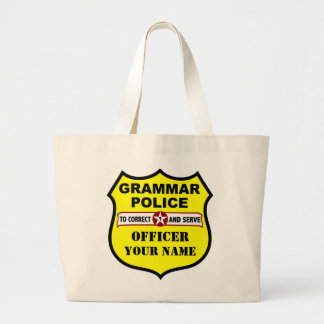
Let the world know to mind their there and they're usage. This nifty tote can be customized for the recipient. Available from the Grammar Police Zazzle shop.


Every great meal can be just a little more educational with grammar rules dishes. Available from grammarRULES!

This set of tea-themed grammatical mugs could only come from one place--England, of course. Available from the Literary Gift Company.

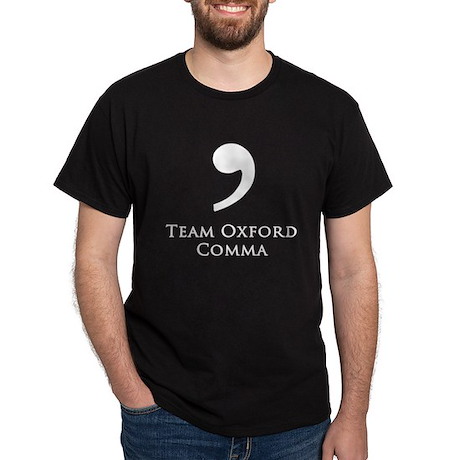
Forget about Gale vs. Peeta. Where do your loyalties lie when it comes to serial commas? Available from TeamGrammar at Cafe Press.

A gentle reminder that proofreading matters. Carry on in style. Available from keepcalmbax shop at Zazzle.


Think that misusing apostrophes is no big deal? Think again. As this shirt clearly states, "Every time you use an apostrophe to make a word plural, a kitten dies." Help alert the world to this tragic problem. Available from LitLogic at Zazzle. 


What are you wishing for this Christmas?
Wednesday, December 18, 2013 Laurel Garver
Looking for the perfect little something for your editor, or the amazing crit partner who catches every last mistake? Never fear, the grammarian gift guide is here!


Let the world know to mind their there and they're usage. This nifty tote can be customized for the recipient. Available from the Grammar Police Zazzle shop.


Every great meal can be just a little more educational with grammar rules dishes. Available from grammarRULES!

This set of tea-themed grammatical mugs could only come from one place--England, of course. Available from the Literary Gift Company.

Forget about Gale vs. Peeta. Where do your loyalties lie when it comes to serial commas? Available from TeamGrammar at Cafe Press.

A gentle reminder that proofreading matters. Carry on in style. Available from keepcalmbax shop at Zazzle.


Think that misusing apostrophes is no big deal? Think again. As this shirt clearly states, "Every time you use an apostrophe to make a word plural, a kitten dies." Help alert the world to this tragic problem. Available from LitLogic at Zazzle. 


What are you wishing for this Christmas?

Thursday, December 12

How Out of Tune Has Changed My Writing Life
by Michelle D. Argyle

I first developed the idea for Out of Tune last November (2012). I’ve always wanted to write a book about a girl who plays the guitar. That was pretty much the only thing I had to go on when I first started figuring out what this girl’s story would be. For some reason, I wanted her to sing country music. That led into the idea that her parents were country music stars, and then … well, there always needs to be a problem in a story, so what was this girl’s problem? She can’t sing. In fact, she’s so bad her own parents have asked her not to sing anywhere in public. Ever. Ouch, huh? I was so excited to start Out of Tune, but I actually didn’t get around to starting it until January of this year, so I’m pumped that it is now out in the world!

So how has Out of Tune changed my life? In many ways, I’ll tell you that. Here are some of them.

(1) I’ve learned to absolutely adore country music.

I’ll admit I’ve never been a huge country music fan. I don’t know why I chose Out of Tune to be centered on country music, but it just felt right. So I had to learn to love country music! And I did. It took about three months, but country is now one of my all-time favorite genres. It’s what I have my radio set to permanently these days. I’m not sure my husband really appreciates it, but oh well.

(2) I’ve learned that it’s possible to overcome things that seem innate.

What do I mean by innate? My main character in Out of Tune believes she is absolutely 100% tone deaf. After all, she can’t hear when she’s singing off key. She even has trouble keeping time, which can go hand in hand with tone-deafness. But, to Maggie’s surprise, she finds someone who believes in her enough to teach her how to sing correctly. This doesn’t mean, however, that it’s easy.

I did a lot of research for Out of Tune, and part of that research was learning that it’s possible to overcome tone-deafness. Amusia, however—true tone-deafness, where the person literally cannot hear tones—is the only instance when a person cannot learn to sing in key, but it’s rare.

(3) I’ve learned even if dreams crumble around you, that you just have to keep going.

Out of Tune was originally supposed to be published with my publisher, Rhemalda Publishing, but earlier this year they had to close their doors. Because Out of Tune has had such a rocky road (failed querying, rewriting it from scratch, and now losing its publisher), I decided to put it out there myself. It’s a story centered on following your dreams, and I felt that getting it out there no matter what was serving it the justice it deserves. Never, ever give up.


Michelle lives and writes in Utah, surrounded by the Rocky Mountains. She adores cheese, chocolate, sushi, and lots of ethnic food, and loves to read and write books in the time she grabs between her sword-wielding husband and energetic daughter. She believes a simple life is the best life. Michelle writes contemporary Young Adult and New Adult fiction (and other genres when she feels like it).

 Twitter | Blog | Facebook

About Out of Tune


Twenty-year-old Maggie Roads’ parents are legendary in the country music world. She wants nothing more than to follow their example, but the limelight is not reserved for singers who cannot carry a tune, let alone keep a rhythm.

When her parents tell her they are getting divorced, Maggie decides it’s time to leave home and take her future into her own hands. Moving in with Cole, her best friend and sometimes boyfriend might not be the best of ideas, but she has to start somewhere.

Their off-and-on romance gets even more complicated when Maggie crushes on her new voice teacher, Nathan, who unlocks her stunning potential. A sensational music career of her own is finally within reach, but
Maggie might need more than perfect pitch to find what she is really looking for.


Have you ever begun a story with just a simple image, like Michelle's girl with a guitar? 
Thursday, December 12, 2013 Laurel Garver
How Out of Tune Has Changed My Writing Life
by Michelle D. Argyle

I first developed the idea for Out of Tune last November (2012). I’ve always wanted to write a book about a girl who plays the guitar. That was pretty much the only thing I had to go on when I first started figuring out what this girl’s story would be. For some reason, I wanted her to sing country music. That led into the idea that her parents were country music stars, and then … well, there always needs to be a problem in a story, so what was this girl’s problem? She can’t sing. In fact, she’s so bad her own parents have asked her not to sing anywhere in public. Ever. Ouch, huh? I was so excited to start Out of Tune, but I actually didn’t get around to starting it until January of this year, so I’m pumped that it is now out in the world!

So how has Out of Tune changed my life? In many ways, I’ll tell you that. Here are some of them.

(1) I’ve learned to absolutely adore country music.

I’ll admit I’ve never been a huge country music fan. I don’t know why I chose Out of Tune to be centered on country music, but it just felt right. So I had to learn to love country music! And I did. It took about three months, but country is now one of my all-time favorite genres. It’s what I have my radio set to permanently these days. I’m not sure my husband really appreciates it, but oh well.

(2) I’ve learned that it’s possible to overcome things that seem innate.

What do I mean by innate? My main character in Out of Tune believes she is absolutely 100% tone deaf. After all, she can’t hear when she’s singing off key. She even has trouble keeping time, which can go hand in hand with tone-deafness. But, to Maggie’s surprise, she finds someone who believes in her enough to teach her how to sing correctly. This doesn’t mean, however, that it’s easy.

I did a lot of research for Out of Tune, and part of that research was learning that it’s possible to overcome tone-deafness. Amusia, however—true tone-deafness, where the person literally cannot hear tones—is the only instance when a person cannot learn to sing in key, but it’s rare.

(3) I’ve learned even if dreams crumble around you, that you just have to keep going.

Out of Tune was originally supposed to be published with my publisher, Rhemalda Publishing, but earlier this year they had to close their doors. Because Out of Tune has had such a rocky road (failed querying, rewriting it from scratch, and now losing its publisher), I decided to put it out there myself. It’s a story centered on following your dreams, and I felt that getting it out there no matter what was serving it the justice it deserves. Never, ever give up.


Michelle lives and writes in Utah, surrounded by the Rocky Mountains. She adores cheese, chocolate, sushi, and lots of ethnic food, and loves to read and write books in the time she grabs between her sword-wielding husband and energetic daughter. She believes a simple life is the best life. Michelle writes contemporary Young Adult and New Adult fiction (and other genres when she feels like it).

 Twitter | Blog | Facebook

About Out of Tune


Twenty-year-old Maggie Roads’ parents are legendary in the country music world. She wants nothing more than to follow their example, but the limelight is not reserved for singers who cannot carry a tune, let alone keep a rhythm.

When her parents tell her they are getting divorced, Maggie decides it’s time to leave home and take her future into her own hands. Moving in with Cole, her best friend and sometimes boyfriend might not be the best of ideas, but she has to start somewhere.

Their off-and-on romance gets even more complicated when Maggie crushes on her new voice teacher, Nathan, who unlocks her stunning potential. A sensational music career of her own is finally within reach, but
Maggie might need more than perfect pitch to find what she is really looking for.


Have you ever begun a story with just a simple image, like Michelle's girl with a guitar? 

Friday, December 6

Today we're tackling a set of fraternal triplets of language, the homophones rain, rein, and reign. Once again, I'll provide a definition, examples and mnemonic tricks to help you keep them straight.

rain

image: http://guardian.co.uk

rain (n) - watery precipitation; water that has fallen from clouds, rainwater.

rain (v, intrans) rained, raining - to fall as water from clouds; to fall like rain; to send down rain

rain (v., trans) rained, raining - to pour or administer abundantly

Examples

  • Hugh never understood that Adele song. How can rain be set on fire? Is it acid rain?
  • It rained all day, so the hike was postponed.
  • Jag rained blows on his opponent.
  • Denise loves the disco song "It's Raining Men."


Mnemonics

  • The rain in Spain falls mainly on the plain. (Thank you, Henry Higgins.)
  • Air pollution is a cause of acid rain.


rein

image: http://equiword.net
rein (n) - strap on a horse's bridle attached to the bit that allows a rider to control and steer the animal; restraining influence.

(with free or full) opportunity for unhampered activity or use. 

rein (v, trans.) reined, reining - to control or steer, as with a bit and rein; sometimes used with in.

Examples

  • Pull the left rein to turn your pony left.
  • Jed kept a tight rein on the meeting.
  • Stacy was given free rein over the party planning. She could do whatever she liked.
  • Chloe, you need to rein in your campers. They're making a huge mess in arts and crafts.


The expression "free rein" specifically means "without guidance" and "full rein" means "without control." They are metaphors based on the practices of letting a horse instinctively find a trail or run at top speed; the rider leaves the reins loose and long (versus tight and short) in either instance, not steering or slowing the horse's free movement.

Mnemonics

  • To ride east, Eve and Ella rein left.
  • Free rein: freedom and speed, whee!


reign


image: http://royal-splendor.blogspot.com
reign (v, intrans.) reigned, reigning -  to exercise dominion or rule, like a monarch; exert dominion, sway or influence; to be predominant or prevalent.

reign (n.) royal authority, ruling power, dominion; the period of rule or dominion.

Examples

  • Elizabeth II celebrated her Diamond Jubilee in honor of reigning for 60 years.
  • King Xerxes reigned from 519 to 465 BC.
  • Jessamyn reigns over the entire school like an evil queen.
  • Chaos reigns when those kids are left with a sitter.
  • Rebels continued their reign of terror for five months.
  • Reign of Fire was a film about dragons ruling the earth.


Mnemonics

  • King George reigns from a glittering, gem-covered throne.
  • Gorgeous Gordon reigns the giggling girls at Glenside High.


Increasingly, I've seen people use the expression "free reign," which I'm not entirely certain is a homophone error so much as a new expression with a slightly different meaning than "free rein." It is usually used in contexts of someone exerting total control or behaving like a dictator.

This is an updated post from May 2012.


Do these distinctions help? What other homonyms trip you up?
Friday, December 06, 2013 Laurel Garver
Today we're tackling a set of fraternal triplets of language, the homophones rain, rein, and reign. Once again, I'll provide a definition, examples and mnemonic tricks to help you keep them straight.

rain

image: http://guardian.co.uk

rain (n) - watery precipitation; water that has fallen from clouds, rainwater.

rain (v, intrans) rained, raining - to fall as water from clouds; to fall like rain; to send down rain

rain (v., trans) rained, raining - to pour or administer abundantly

Examples

  • Hugh never understood that Adele song. How can rain be set on fire? Is it acid rain?
  • It rained all day, so the hike was postponed.
  • Jag rained blows on his opponent.
  • Denise loves the disco song "It's Raining Men."


Mnemonics

  • The rain in Spain falls mainly on the plain. (Thank you, Henry Higgins.)
  • Air pollution is a cause of acid rain.


rein

image: http://equiword.net
rein (n) - strap on a horse's bridle attached to the bit that allows a rider to control and steer the animal; restraining influence.

(with free or full) opportunity for unhampered activity or use. 

rein (v, trans.) reined, reining - to control or steer, as with a bit and rein; sometimes used with in.

Examples

  • Pull the left rein to turn your pony left.
  • Jed kept a tight rein on the meeting.
  • Stacy was given free rein over the party planning. She could do whatever she liked.
  • Chloe, you need to rein in your campers. They're making a huge mess in arts and crafts.


The expression "free rein" specifically means "without guidance" and "full rein" means "without control." They are metaphors based on the practices of letting a horse instinctively find a trail or run at top speed; the rider leaves the reins loose and long (versus tight and short) in either instance, not steering or slowing the horse's free movement.

Mnemonics

  • To ride east, Eve and Ella rein left.
  • Free rein: freedom and speed, whee!


reign


image: http://royal-splendor.blogspot.com
reign (v, intrans.) reigned, reigning -  to exercise dominion or rule, like a monarch; exert dominion, sway or influence; to be predominant or prevalent.

reign (n.) royal authority, ruling power, dominion; the period of rule or dominion.

Examples

  • Elizabeth II celebrated her Diamond Jubilee in honor of reigning for 60 years.
  • King Xerxes reigned from 519 to 465 BC.
  • Jessamyn reigns over the entire school like an evil queen.
  • Chaos reigns when those kids are left with a sitter.
  • Rebels continued their reign of terror for five months.
  • Reign of Fire was a film about dragons ruling the earth.


Mnemonics

  • King George reigns from a glittering, gem-covered throne.
  • Gorgeous Gordon reigns the giggling girls at Glenside High.


Increasingly, I've seen people use the expression "free reign," which I'm not entirely certain is a homophone error so much as a new expression with a slightly different meaning than "free rein." It is usually used in contexts of someone exerting total control or behaving like a dictator.

This is an updated post from May 2012.


Do these distinctions help? What other homonyms trip you up?

Tuesday, December 3

image credit: wikihow.com
Maybe you're coming down off the high of "winning" NaNo, or you tried and gave up, or you're just doing the usual ___ words-per-day, and suddenly find you simply cannot write. You're stuck. Panic begins to creep in. You think, I'll never finish! I'm a boring, talentless hack. Or worse, you become mired in apathy. Who cares about this dumb story? Why bother?

Here are a few things you should NOT do when this happens:

  • Stick your head in an oven like Sylvia Plath.
  • Delete the entire manuscript.
  • Sell all your possessions and buy a one-way ticket to an exotic locale.
  • Get started on a shiny new idea. Or three.  Or twelve.

Being blocked isn't worth dying for, and if you give up every time you hit obstacles, you'll never finish anything. A change of venue won't solve the real problem--you and your ideas. And many a writer has gotten waylaid in the Forest of Infinite Possibilities (aka Shiny New Idea Syndrome), never to emerge with a single finished manuscript.

Instead, try a more proactive approach to getting back on track.

Determine the cause of the stuckness

Getting stuck in a project is usually a symptom of two common writing maladies:  Writer's Block Wall and Writer's Block Desert. Take a look at the posts I linked for descriptions of the symptoms of each type of stuckness.

Generally, walls pop up when you stubbornly insist on continuing in the wrong direction. Deserts appear when you are burned out, or you need creative "food and drink" -- more raw material.

Pinpoint the wrong turn 

Sometimes we end up stuck because of a wrong turn that led to a dead end, a twisted forest path or a cliff with no guardrails. The only way to get the story moving again is to retrace your steps to where the wrong turn happened. I elaborate the causes and how to go about finding your wrong turn HERE.

If, after reading your manuscript and pinpointing where you think the story stopped working, you still have no idea where to turn next, let a trusted critique partner or beta reader take a look. Sometimes you are too close to the story to see the problem. My wonderful CPs have helped me find wrong turns that happened earlier than I initially thought. Getting help sooner rather than later enabled me to get back on track without having to toss out weeks of work.

Delve deeper

Sometimes we get stuck because we don't yet know the characters well enough to predict how they'd naturally react to story events, or we don't know our story world well enough to develop interesting plots. Taking time out to generate more raw material for your story can get it moving again.

  • Research more deeply the milieu of your story, not only the setting, but also the larger cultural forces.
  • Read up on psychological phenomena likely to effect your characters, from birth order and parenting styles to neuroses and full-blown mental illnesses.
  • Think through and plan the protagonist's inner journey of emotional change.
  • Research and develop associations for each character based on their upbringing, training and interests so you can better create character voices.
  • Develop all the characters, even the minor ones, and not just backstory. Give every character things to do, places to be, relationships, worries, plans and goals that engage them during the "here and now" of your story--even if much of that life happens offstage. The traces you sprinkle in will make every character feel more real. 
  • Experiment with handling a scene several different ways, using visualization first.
  • Practice riff-writing to flesh out an already-written section.

Feed your creativity

Think of your creativity as a pet. Or better as the "good wolf" of joy, hope, kindness, and courage spoken of in Cherokee legend that fights inside you for dominance. It will thrive only if you feed it. Here are some ways to do just that:

  • Spend time in nature. Studies show that it improves mood, increases energy, and reduces stress.
  • Connect with a friend or relative. Talk about favorite memories or traditions, overcoming obstacles, a "stranger-than-fiction" experience, or embarrassing moment. Human interaction is one the the best ways to jump-start creativity.
  • Create a movement journal in which you chronicle observations from people watching. 
  • Watch visually stunning movies. Beauty can be very healing.
  • Develop playlists of music that reflect the core emotions of your stories.
  • Read wonderful books and let yourself be carried away or analyze what you loved and found exciting.
  • Read terrible books and analyze what went wrong or simply be encouraged that you can do better.
  • Pick up resource books to encourage you. I talk about one of my favorites HERE.
  • Journal using writing prompts.
  • Write about your childhood (Anne Lamott's favorite creativity exercise).

What are your favorite strategies for getting unstuck?
Tuesday, December 03, 2013 Laurel Garver
image credit: wikihow.com
Maybe you're coming down off the high of "winning" NaNo, or you tried and gave up, or you're just doing the usual ___ words-per-day, and suddenly find you simply cannot write. You're stuck. Panic begins to creep in. You think, I'll never finish! I'm a boring, talentless hack. Or worse, you become mired in apathy. Who cares about this dumb story? Why bother?

Here are a few things you should NOT do when this happens:

  • Stick your head in an oven like Sylvia Plath.
  • Delete the entire manuscript.
  • Sell all your possessions and buy a one-way ticket to an exotic locale.
  • Get started on a shiny new idea. Or three.  Or twelve.

Being blocked isn't worth dying for, and if you give up every time you hit obstacles, you'll never finish anything. A change of venue won't solve the real problem--you and your ideas. And many a writer has gotten waylaid in the Forest of Infinite Possibilities (aka Shiny New Idea Syndrome), never to emerge with a single finished manuscript.

Instead, try a more proactive approach to getting back on track.

Determine the cause of the stuckness

Getting stuck in a project is usually a symptom of two common writing maladies:  Writer's Block Wall and Writer's Block Desert. Take a look at the posts I linked for descriptions of the symptoms of each type of stuckness.

Generally, walls pop up when you stubbornly insist on continuing in the wrong direction. Deserts appear when you are burned out, or you need creative "food and drink" -- more raw material.

Pinpoint the wrong turn 

Sometimes we end up stuck because of a wrong turn that led to a dead end, a twisted forest path or a cliff with no guardrails. The only way to get the story moving again is to retrace your steps to where the wrong turn happened. I elaborate the causes and how to go about finding your wrong turn HERE.

If, after reading your manuscript and pinpointing where you think the story stopped working, you still have no idea where to turn next, let a trusted critique partner or beta reader take a look. Sometimes you are too close to the story to see the problem. My wonderful CPs have helped me find wrong turns that happened earlier than I initially thought. Getting help sooner rather than later enabled me to get back on track without having to toss out weeks of work.

Delve deeper

Sometimes we get stuck because we don't yet know the characters well enough to predict how they'd naturally react to story events, or we don't know our story world well enough to develop interesting plots. Taking time out to generate more raw material for your story can get it moving again.

  • Research more deeply the milieu of your story, not only the setting, but also the larger cultural forces.
  • Read up on psychological phenomena likely to effect your characters, from birth order and parenting styles to neuroses and full-blown mental illnesses.
  • Think through and plan the protagonist's inner journey of emotional change.
  • Research and develop associations for each character based on their upbringing, training and interests so you can better create character voices.
  • Develop all the characters, even the minor ones, and not just backstory. Give every character things to do, places to be, relationships, worries, plans and goals that engage them during the "here and now" of your story--even if much of that life happens offstage. The traces you sprinkle in will make every character feel more real. 
  • Experiment with handling a scene several different ways, using visualization first.
  • Practice riff-writing to flesh out an already-written section.

Feed your creativity

Think of your creativity as a pet. Or better as the "good wolf" of joy, hope, kindness, and courage spoken of in Cherokee legend that fights inside you for dominance. It will thrive only if you feed it. Here are some ways to do just that:

  • Spend time in nature. Studies show that it improves mood, increases energy, and reduces stress.
  • Connect with a friend or relative. Talk about favorite memories or traditions, overcoming obstacles, a "stranger-than-fiction" experience, or embarrassing moment. Human interaction is one the the best ways to jump-start creativity.
  • Create a movement journal in which you chronicle observations from people watching. 
  • Watch visually stunning movies. Beauty can be very healing.
  • Develop playlists of music that reflect the core emotions of your stories.
  • Read wonderful books and let yourself be carried away or analyze what you loved and found exciting.
  • Read terrible books and analyze what went wrong or simply be encouraged that you can do better.
  • Pick up resource books to encourage you. I talk about one of my favorites HERE.
  • Journal using writing prompts.
  • Write about your childhood (Anne Lamott's favorite creativity exercise).

What are your favorite strategies for getting unstuck?